Research

News on Science, Technology and Research in India

Polar Biology Agreement Signed in India

An Agreement (MoU) was signed between the Ministry of Earth Sciences (MoES) and the Department of Biotechnology (DBT) on Wednesday for cooperation in the area of polar biology. The agreement envisages mutual collaboration to explore the possibility of cooperation, convergence, and synergy to bring out the expertise and services of both organisations under one roof and work hand-in-hand for addressing relevant questions in the field of polar biology, a statement issued by the Ministry of Science and Technology said.
Scientists Track Behaviour of Intestinal Bacteria In Response To Chemical Stimuli

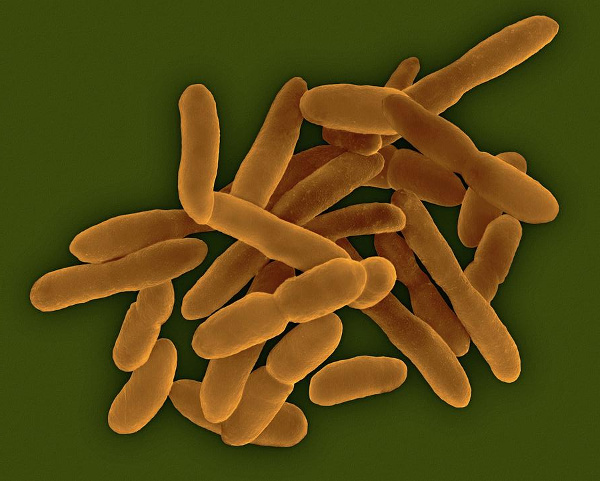
In a recent study, scientists from S. N. Bose National Centre for Basic Sciences, an Autonomous Research Institute established under the Department of Science and Technology, Govt. of India, have theoretically shown that there is an optimum size of the receptor clusters at which the E.coli cell shows the best-directed motion guided by chemical signal received from its environment.

A New Body Clock-Based Approach Likely for Cancer Treatment

A study by a team of researchers at the Government of India’s Department of Biotechnology’s Manesar-based National Brain Research Centre (NBRC) has helped gain new insights into molecular mechanisms involved in the proliferation of cancer cells, which may aid in the treatment of cancers based on the body clock.

Harvesting Electricity from Vibrations

In the new study, researchers have designed one using thermoplastic polyurethanes (TPU) and Polyethylene terephthalate (PET) as tribo layers. The easy availability of the active material and the simplicity of the fabrication process make it cost-effective over currently available fabrication techniques. The resulting device has also been found to be highly efficient, robust, and gives reproducible output over long hours of operation.

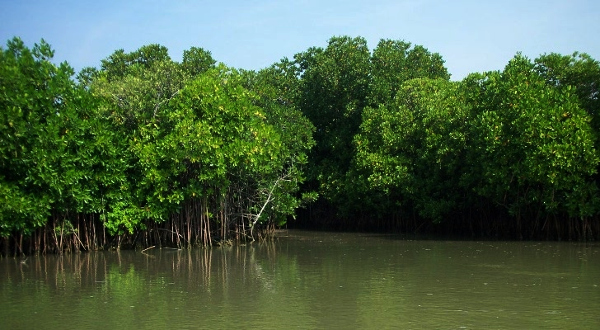
The Genome of A Salt-Secreting Mangrove Species Decoded by DBT-ILS

Scientists at the DBT-Institute of Life Sciences, Bhubaneswar and SRM-DBT Partnership Platform for Advanced Life Sciences Technologies, SRM Institute of Science and Technology,Tamil Nadu have reported for the first time a reference-grade whole genome sequence of a highly salt-tolerantand salt-secreting true-mangrove species,Avicennia marina.

New Plant Species Discovered from Antarctica Named After India

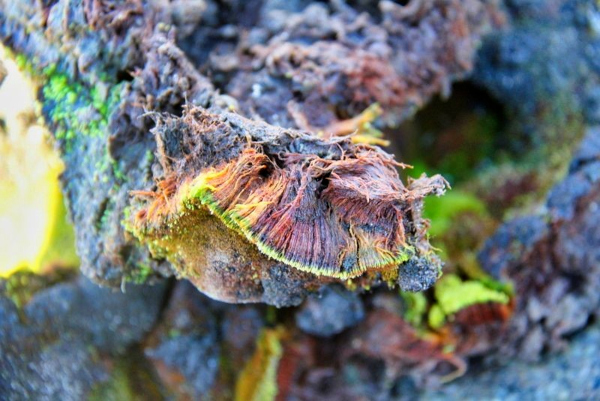
Polar biologists based at Central University of Punjab have discovered a new native species of moss from continental Antarctica. The species is named Bryum bharatiensis– named so as a tribute to the country and India’s Antarctic station Bharati. Felix Bast, Associate Professor and head Department of Botany, Central University, who was part of Indian Antarctic Mission 2016-17 as an expedition scientist, stumbled upon these green plants on rocks near Bharati station at Larsemann Hills, East Antarctica.

DST Inspire Fellow Developing Biomaterials for Bone Tissue Regeneration

A nano biomaterial with a stable link between two molecules or a hormone nanoconjugate called hydroxyapatite-Parathyroid synthesized by Inspire Faculty fellow Dr. Geetanjali Tomar from Savitribai Phule Pune University may soon help tissue regeneration. She has also synthesised and characterised gold nanoparticles (AuNPs) from a microorganism called Actinomycete, Nocardiopsisdassonvillei NCIM 5124.

Molten Iron’s Properties Determined by Its Cooling Period

In a recent study , researchers from the Indian Institute of Technology Bombay (IIT Bombay) proposed an improved model for the cooling of molten spheroidal graphite iron that can optimise the cooling process in iron manufacturing industries for better quality cast iron. The study, published in Metallurgical and Materials transactions B, was partially funded by John Deere India Pvt. Ltd.