Research

News on Science, Technology and Research in India

New Biodegradable Polymer Fabricated Using Guar Gum, and Chitosan has High Potential for Packaging Material

A team of Indian scientists have developed an environmentally friendly, non-toxic, biodegradable polymer using guar gum and chitosan, both of which are polysaccharides extracted from guar beans and shells of crab and shrimps. The fabricated guar gum-chitosan film having high water stability, high mechanical strength, and excellent resistance to harsh environmental conditions can potentially be used in packaging applications.

Scalable Synthesis Method Developed of Nano-Crystals with Bright Emission Colours Useful for LED

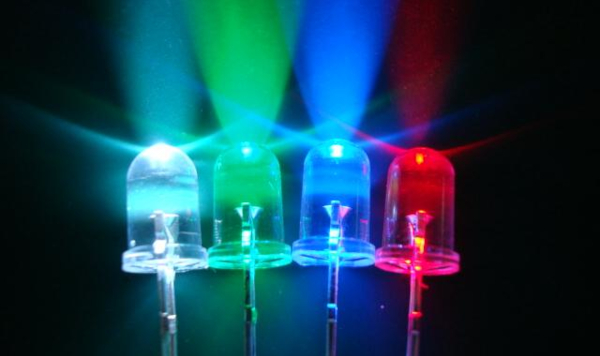
Indian researchers have developed a method that can help large scale synthesis of a special class of semiconductor nanocrystals. These nanocrystals called two-dimensional layered perovskite and perovskite nanocrystals, which have bright emission colours and are not affected by or corroded by the environment, are useful for both high colour purity and low-cost solution processability.

ISRO is Considering Developing A Next-Generation Astronomical Satellite to Follow Up on its AstroSat Mission

ISRO’s first mission dedicated for astronomy, AstroSat, launched on 28 September 2015 with its design life of five years, on Tuesday completed six years of its operation. “It (AstroSat) is expected to last some more years”, A S Kiran Kumar who as the then Chairman of ISRO led the mission team, and is presently serving as the chair of the apex science committee at the space agency, told PTI. “We can expect some more results to come which will be path-breaking”, he said.

Large-Scale Reactor Developed for Cost-Effective Production of Hydrogen Using Sunlight and Water

The INST team has been working in this area of photocatalytic water splitting to generate hydrogen for quite some time now. “The energy crisis and ever-threatening climate crisis urged us to work on this promising way of hydrogen production through photocatalytic water splitting. The stability and chemical flexibility of having different organic groups in carbon nitrides triggered us to work on these cost-effective organic semiconductor materials for sustainable hydrogen production,” added Dr. Kamalakannan.