Heritage

News, articles and Essays on Sanatana Dharma, Hinduism and Indian way of life.

Vishwakarma – Applied Indology

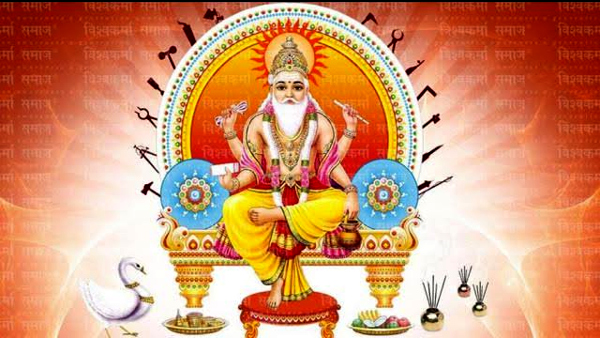
Vishwakarma Prajapati is the Supreme cosmic creator god also known as Swayambhu Brahman (self existing) or Narayana/Purusha in the vedic texts. Vishwakarma is called ‘Devashilpi’ or ‘The Architect of Gods’ . The literal meaning of Vishwakarma is ‘all-creator’, vishwa means ‘all’ and karman means ‘doer’. Vishwakarma is visualised as Ultimate reality (later developed as vishwa Brahman) in the Rig Veda, from whose navel the Hiranyagarbha emanates. Hiranyagarbha refers to our universe and the literal translation is – The Golden womb.

Skanda – Applied Indology

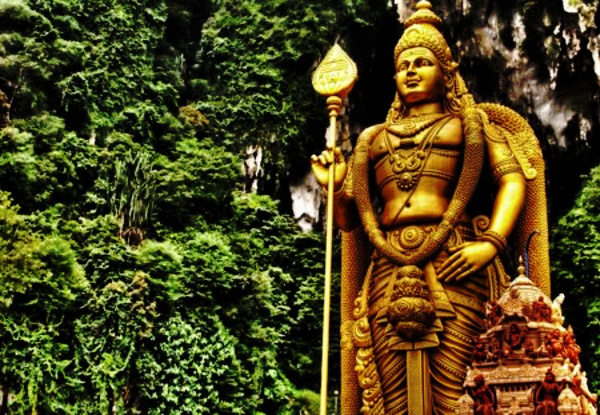
When the five elements governed by Lord Shiva (Pancha Mahabhoota – Earth, Water, Fire, Air, and Ether) united with Shakti (Pure Consciousness), Lord Skanda was born. Shiva is called Panchaanana – Lord with five heads. These five heads represent the five elements in Nature.

Gayatri Mantram – Applied Indology

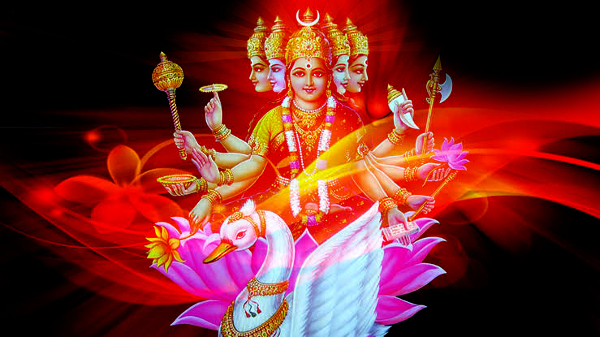
The word Gayatri also means “she who protects the singer” (from gai, to sing, and trai, to protect). It has its origin in the Sanskrit phrase Gayantam Triyate iti, and refers to that mantra which rescues the chanter from all adverse situations that may lead to mortality. Thus, Gayatri is a name of the Divine Mother, she who protects her children and leads them toward self-realization.

Rudram – Applied Indology

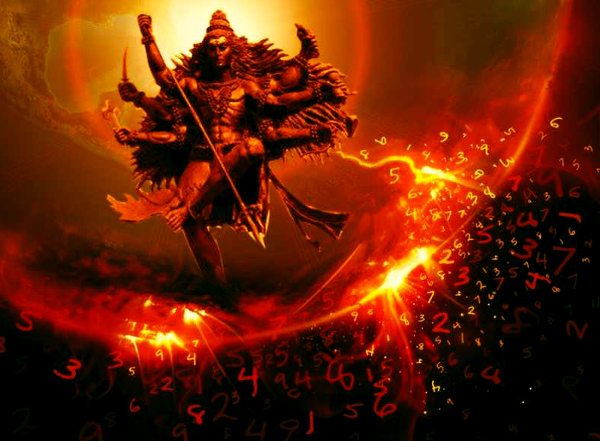
Rudra Literally means that “Fire comes from the Bowels of the earth spreading God’s Grace all over the world”. The word Rudra is an ancient Vedic name for God, meaning the roarer, the ruler of storms and wind, the wild, the mightiest of the mighty. These attempts to describe relate to the tremendous and inconceivable power out of which galaxies are born, stars collapse, seasons move and your mind experiences desire.

Republic Day and Independence Day of India: Know The Difference

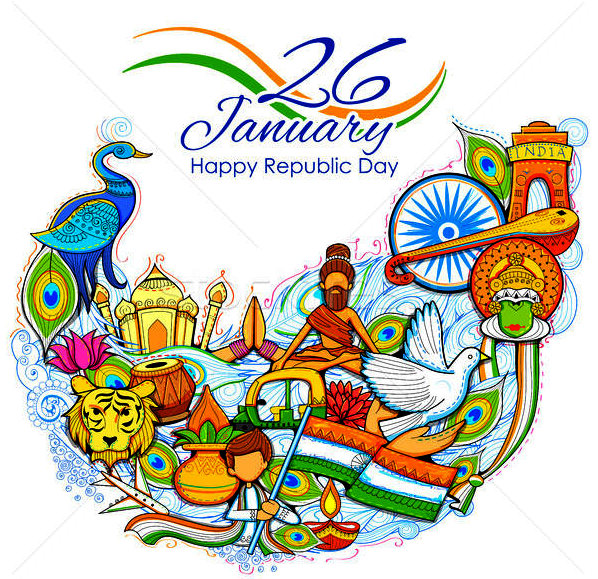
The Independence day in India celebrates the birth of the nation and remembers the people who brought freedom to the country. Meanwhile, the Republic day celebrates our State and people who maintain the government. Thus, the hero of the Independence day is the Prime Minister of India while that of the Republic day is the President – who heads the State of India.’

Urvashi – Applied Indology

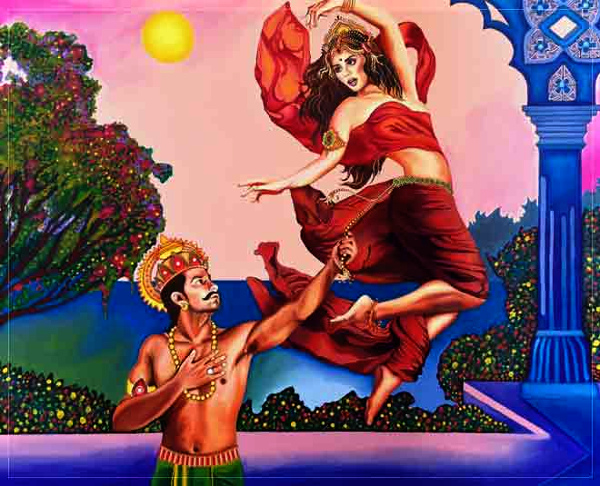
Urvashi means she who can control heart of others,”Ur” means heart and “vash” means to control. Earliest Vedic texts suggest, it was also the name for the dawn goddess. In the Vedas, the apsaras are water nymphs where in apsa means water, the one going in the waters or between the waters of the clouds. Often married to the gandharvas or or temptresses of Rishis. There are two types of Apsaras, namely, laukika (wordly) and daivika (divine). Thirty-four nymphs / Apsaras are specified of the first type and ten of the second type. These celestial beings are also known as vidyadhari or tep apsar.