India has moved another major step in military modernisation with the Defence Acquisition Council clearing capital acquisition proposals worth about ₹52,000 crore for the Army, Navy and Air Force. The approval was granted on July 3, 2026, under the chairmanship of Raksha Mantri Shri Rajnath Singh, through Acceptance of Necessity, which is the in-principle administrative approval for defence procurement.
The package carries strong operational significance because it covers several priority areas of modern warfare: counter-drone defence, air defence, anti-tank warfare, armoured protection, loitering strike capability, naval mine warfare, shipborne unmanned surveillance, electric propulsion testing and persistent high-altitude intelligence gathering. In effect, the decision strengthens India’s combat posture across land, sea and air at a time when drones, electronic warfare, missile threats and long-duration surveillance are reshaping the battlefield.
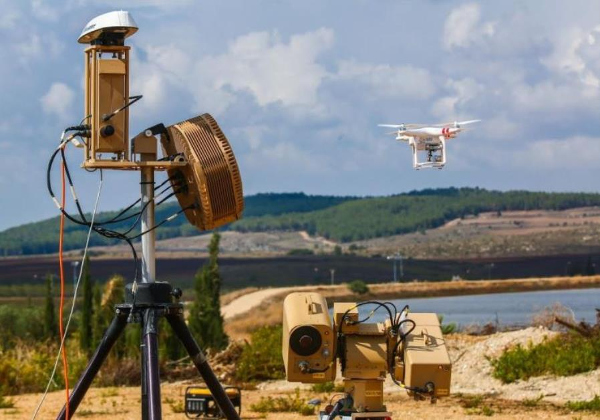
For the Indian Army, the approvals include the Anti-UAV Electronic Warfare System AKASH TARANG, Man Portable Anti-Tank Guided Missile systems, Medium Range Surface-to-Air Missile weapon systems, Very Short Range Air Defence Systems, Active Protection Systems for tanks and jet-based kamikaze drone systems.
AKASH TARANG is one of the most important elements in this package. Modern battlefields have seen mass drone usage for surveillance, targeting, disruption and precision strikes. A dedicated anti-UAV electronic warfare system gives Army formations a stronger protective shield against hostile drones by detecting, disrupting and neutralising unmanned threats before they can complete their mission. This makes it highly relevant for forward formations, air defence units, logistics nodes, command centres and sensitive field deployments.
The approval for Man Portable Anti-Tank Guided Missile systems will strengthen the infantry’s ability to counter armoured and mechanised threats. Infantry units operating in mountains, deserts, plains or built-up terrain require mobile, accurate and survivable anti-armour capability. MPATGM systems add firepower at the soldier and platoon level, giving frontline troops the ability to engage tanks, infantry combat vehicles and other protected platforms with greater tactical flexibility.
The Medium Range Surface-to-Air Missile weapon system will add another layer to India’s air defence grid. The PIB release states that the MRSAM system provides medium-range air defence against a variety of stand-off aerial threats. This is critical because modern aerial threats include aircraft, cruise missiles, precision-guided weapons, drones and other airborne platforms operating from multiple ranges and directions.
The Very Short Range Air Defence System approval also carries immediate battlefield value. The system will feature multi-spectral sensing, which improves resilience against countermeasures and enhances effectiveness for the Army. V-SHORADS capability is especially valuable for mobile formations, forward posts, armoured columns and sensitive tactical assets that require quick-reaction protection against low-flying aircraft, helicopters and drones.
The Active Protection System for tanks addresses a vital requirement in armoured warfare. Tanks remain decisive instruments of offensive and defensive operations, yet they face increasing threats from anti-tank missiles, loitering munitions, rocket-propelled weapons and top-attack systems. An Active Protection System improves survivability by enhancing a tank’s defensive mechanism, giving armoured formations a stronger chance of operating in missile-heavy environments.
The approval for jet-based kamikaze drone systems reflects India’s growing focus on unmanned offensive capability. These systems bring greater lethality, survivability and electronic warfare value while remaining cost-effective. Loitering and kamikaze drones allow commanders to strike targets with precision, respond quickly to battlefield intelligence and engage time-sensitive enemy assets with reduced risk to pilots and larger platforms.
For the Indian Navy, the DAC cleared procurement of Multi Influence Ground Mines, Naval Shipborne Unmanned Aerial Systems and the setting up of a Land Based Testing Facility for electric propulsion systems. These approvals show a clear maritime focus: sea denial, shipborne surveillance and future propulsion readiness.
The Multi Influence Ground Mine will help deny freedom of manoeuvre to an adversary. In naval warfare, mines remain powerful tools for shaping enemy movement, defending key approaches, protecting maritime zones and complicating hostile planning. Their value lies in the psychological and operational pressure they create across contested waters.
The Naval Shipborne Unmanned Aerial System will enhance the Navy’s situational awareness through advanced sensors. Shipborne unmanned systems are increasingly important for maritime surveillance, target detection, over-the-horizon awareness, search operations and monitoring of surface activity. They extend the eyes of a warship beyond the horizon and improve the commander’s ability to act with better information.
The Land Based Testing Facility for electric propulsion systems is equally significant for long-term naval modernisation. Electric propulsion is becoming an important area for future warship design because it supports quieter operations, improved power management and integration of advanced onboard systems. The facility will support testing of motors and associated propulsion systems for Indian naval assets.
For the Indian Air Force, the DAC approved procurement of Fixed-Wing Based High Altitude Pseudo Satellite systems and other proposals. The FW-HAPS platform will support persistent intelligence, surveillance and reconnaissance, telecommunications and remote sensing for the IAF.
This is a major capability area for future air and space-linked operations. A high-altitude pseudo satellite can remain aloft for extended periods and provide wide-area observation and communications support. Such platforms help bridge the gap between satellites and conventional aircraft by giving commanders long-duration coverage over priority zones. For India, this can strengthen border surveillance, maritime monitoring, networked operations and real-time situational awareness.
The larger meaning of this ₹52,000 crore approval lies in the combination of defensive and offensive technologies. The Army gains stronger protection against drones, aircraft, armour and anti-tank threats. The Navy gains better maritime denial and unmanned surveillance capability. The Air Force gains persistent high-altitude ISR and communication reach. Together, these acquisitions point toward a more networked, survivable and technology-driven Indian military posture.
The AoN stage marks an important procurement milestone, after which acquisition cases move through further procedural steps such as solicitation of offers, technical evaluation, field evaluation and staff evaluation before final contracting. This means the July 3 decision is a strong policy and procurement signal that sets the acquisition process in motion for a broad range of critical systems.
Overall, the DAC’s ₹52,000 crore clearance reflects India’s priority on combat readiness, indigenous capability building and faster adaptation to modern warfare. The battlefield is being transformed by drones, electronic warfare, smart missiles, long-range sensors and unmanned platforms. By approving systems across these domains, India is strengthening the technological backbone of its armed forces and preparing them for a more complex security environment.
Source: PIB
You may also like
-
India Moves Towards Five-Year Assured Orders for Defence Startups Under New Procurement Reforms
-
Zen Technologies Introduces Indigenous Hyper-Strike Falcon AI-Guided Counter-Drone Interceptor
-
L&T and Germany’s SCHOTTEL Expand Partnership for Controllable Pitch Propeller Systems in Indian Shipbuilding
-
India to Train 60,000 Civil Defence Volunteers Across 12 States and UTs with Indian Army Support
-
Indian Army’s Northern Command Opens 75-Day Defence Technology Internship Programme for Young Innovators
