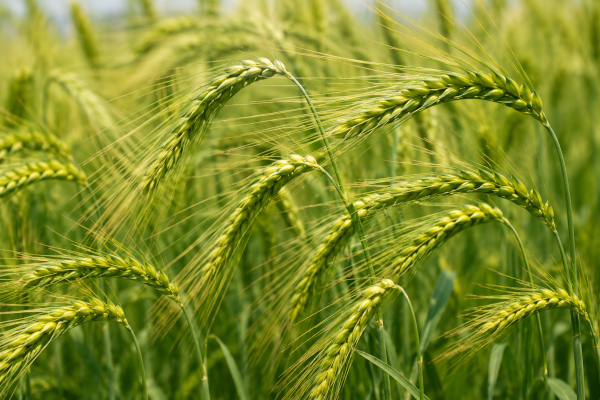
Barley, known as Yava in Ayurveda, is one of the most respected grains in the Indian food and healing tradition. It is light, strengthening, cleansing and deeply valued for its role in supporting digestion, urinary health, metabolic balance and disciplined nourishment.
In Ayurvedic thought, food is never seen only as a source of calories. Every grain, fruit, spice and herb carries a specific effect on the body. Barley holds a special place because it gives strength while also reducing heaviness. It nourishes the body while helping clear excess Kapha, fat accumulation and sluggishness.
For this reason, Yava has been praised in classical Ayurveda as a grain suitable for people seeking lightness, stamina, better digestion and balanced metabolism.
Sanskrit Name and Identity
Sanskrit name: Yava
Common name: Barley
Botanical name: Hordeum vulgare
Family: Poaceae
Part used: Grain
Barley is one of the oldest cultivated cereals in the world and has been part of Indian food culture for centuries. In Ayurveda, it appears both as a daily food grain and as a therapeutic dietary ingredient.
Classical Ayurvedic texts also mention special barley-based preparations. One such preparation is Kulmasha, described in the tradition as a savoury barley dish. In the Kaiyadeva Nighantu, Kulmasha is associated with barley-based food preparations, showing how Yava was used not only as a grain but also as a processed medicinal food.
Ayurvedic Properties of Barley
Ayurveda explains the action of barley through its rasa, guna, virya and vipaka.
Rasa: Kashaya and Madhura
Guna: Ruksha and Laghu
Virya: Sheeta
Vipaka: Katu
Dosha effect: Balances Kapha and Pitta, may increase Vata when used excessively
The Kashaya rasa, or astringent taste, gives barley its drying and absorbing quality. The Madhura rasa, or sweet taste, supports nourishment and strength. Its Ruksha guna helps reduce excess oiliness, moisture and heaviness. Its Laghu guna makes it lighter than many other grains. Its Sheeta virya gives a cooling effect, especially useful in heat-related conditions.
This combination makes barley a very intelligent grain in Ayurveda. It gives energy without creating heaviness and supports cleansing without weakening the body.
Barley and Dosha Balance
Barley is especially useful for Kapha dosha. Kapha represents heaviness, coldness, oiliness, mucus, lethargy and accumulation. Since barley is light, dry and scraping in nature, it helps reduce excess Kapha from the system.
For Pitta dosha, barley can be helpful because of its cooling potency. Barley water, thin barley gruel and lightly cooked barley preparations are traditionally used during heat, thirst and burning sensations.
For Vata dosha, barley should be used with care. Since barley is dry and light, excess use may increase dryness, gas, stiffness or constipation in Vata-dominant people. Such individuals should take barley with ghee, warm spices and moist preparations.
Barley as a Lekhana Food
One of the most important Ayurvedic actions of barley is Lekhana. Lekhana means scraping or reducing excess accumulation from the body. It refers to the ability of a food or medicine to help clear excess Kapha, fat, stickiness and metabolic sluggishness.
Barley is therefore valued in conditions of heaviness, water retention, obesity tendency and slow metabolism. It supports the body in moving from heaviness to lightness.
This makes Yava one of the finest grains for people who want nourishment with discipline.
Barley for Weight Management
Ayurveda considers barley one of the best grains for managing excess body weight. Its dry, light and scraping nature supports Meda Dhatu balance, which refers to the fat tissue of the body.
Barley gives fullness and steady energy while helping reduce heaviness after meals. It is especially useful when a rice-heavy or wheat-heavy diet creates sluggishness, sleepiness or excess Kapha.
Barley gruel, barley roti, roasted barley flour and barley water are traditional ways of including this grain in a weight-management diet.
Barley for Prameha and Metabolic Health
Yava has great importance in the Ayurvedic management of Prameha, a group of urinary and metabolic disorders. Prameha is associated with excess Kapha, disturbed fat metabolism, excessive urination and heaviness in the body.
Barley supports Prameha management because it reduces Kapha, supports urinary flow and helps balance Meda Dhatu. Its light and drying properties are useful where the body shows signs of excess fluidity, sluggishness and accumulation.
Barley water is one of the simplest traditional preparations used for urinary comfort, thirst and internal cooling.
Barley for Urinary Health
Barley has long been used as a supportive food for urinary wellness. Barley water is especially famous in Indian homes as a soothing drink during burning urination, summer heat, thirst and mild water retention.
Its cooling and light qualities support natural urinary flow. It hydrates the body while also helping reduce heat and heaviness.
This makes barley especially useful in summer and in Pitta-Kapha conditions.
Barley for Digestion
Barley supports digestion when prepared properly. Its light quality makes it suitable for people who feel heavy after eating refined grains or rich meals.
Roasted barley is easier to digest than raw or poorly cooked barley. Barley gruel is useful when the body needs light nourishment. Barley flour can be used for rotis, pancakes, savoury discs and porridges.
For weak digestion, barley should be cooked well with cumin, dry ginger, black pepper or ajwain. A small amount of ghee may be added when Vata needs support.
Barley for Kapha Conditions
Barley is one of the classic grains for Kapha-related imbalance. It is useful when there is heaviness in the body, excess sleep, dullness, mucus tendency, sluggish digestion and weight gain.
During late winter and spring, when Kapha naturally increases, barley becomes especially suitable. Barley soups, thin gruels and roasted barley preparations can help maintain lightness and activity.
A person who feels sleepy or heavy after rice-based meals may benefit from including barley in the diet.
Barley and Strength
Although barley is known for reducing heaviness, it also gives strength. This is one of the reasons Ayurveda values it highly. It supports the body without making it dull or overloaded.
Traditional communities used roasted barley flour as a practical energy food. It could be mixed with water, buttermilk, ghee or jaggery according to need. This shows the flexibility of Yava as both a strengthening and balancing grain.
Classical Culinary Note: Kulmasha
A notable barley-based preparation in the Ayurvedic food tradition is Kulmasha. It is described as a savoury barley dish and is associated with references in the Kaiyadeva Nighantu, particularly in the section that discusses food preparations.
Kulmasha shows that barley was traditionally used in more than one form. It was cooked, roasted, shaped and seasoned to make nourishing preparations suitable for daily diet and therapeutic use.
In a practical modern kitchen, Kulmasha can be understood as a savoury barley disc prepared from barley flour, digestive spices and a small amount of ghee or sesame oil. It is especially suitable for Kapha balance when prepared lightly and eaten warm.
Traditional Recipe: Kulmasha — Barley Savory Discs
Ingredients
1 cup barley flour
2 tablespoons rice flour or wheat flour for binding
1 teaspoon cumin seeds
½ teaspoon ajwain
½ teaspoon dry ginger powder
¼ teaspoon black pepper powder
A pinch of turmeric
Rock salt as required
1 teaspoon ghee or sesame oil
Warm water as required
Fresh curry leaves or coriander leaves, finely chopped
Method
Take barley flour in a bowl and add rice flour or wheat flour for binding. Add cumin, ajwain, dry ginger, black pepper, turmeric, rock salt and chopped curry leaves or coriander leaves.
Add one teaspoon of ghee or sesame oil and mix well. Slowly add warm water and knead into a firm dough. Rest the dough for ten to fifteen minutes.
Divide the dough into small balls and flatten them into thin round discs. Cook them on a hot tawa with a few drops of ghee or sesame oil until both sides become firm, lightly crisp and aromatic.
Serve warm.
Ayurvedic Value of Kulmasha
Kulmasha is light, savoury and digestive when prepared with warming spices. Barley provides the scraping and Kapha-reducing action, while cumin, ajwain, dry ginger and black pepper support Agni.
This preparation is useful for people who want a lighter alternative to heavy snacks. It can be taken during Kapha season, after periods of heaviness, or as part of a disciplined diet.
For Vata-prone individuals, Kulmasha should be made softer with more ghee and served warm with thin buttermilk, soup or vegetable stew.
Barley Water
Barley water is one of the simplest and most respected preparations of Yava.
Wash one tablespoon of barley and boil it in two to three cups of water until the grain softens and the water becomes slightly thick. Strain and drink warm or at room temperature.
A little cumin may be added for digestion. During summer, it may be taken as a cooling drink. For urinary comfort, it is traditionally used in a simple and mild form.
Barley Gruel
Barley gruel is prepared by cooking barley with extra water until soft. It may be taken thin or semi-thick. A little rock salt, cumin and ghee may be added depending on the person’s constitution.
This preparation is light, nourishing and suitable when digestion needs support.
Barley Roti
Barley flour can be used to prepare rotis. Since barley has less elasticity than wheat, it may be mixed with a small amount of wheat flour for easier rolling.
Barley roti is filling yet lighter than many heavy grain preparations. It is especially suitable for people with Kapha constitution.
Roasted Barley Flour
Roasted barley flour is cooling, strengthening and practical. It can be mixed with warm water, buttermilk or thin gruel. This form is especially useful in hot climates and for people needing light nourishment.
In many Indian food traditions, roasted barley preparations are valued for stamina and digestive balance.
Barley in Seasonal Diet
Barley is especially suitable in spring, when Kapha naturally increases. During this season, Ayurveda recommends lighter, drier and more cleansing foods. Barley fits this requirement beautifully.
In summer, barley water is useful because of its cooling quality. During the rainy season and winter, barley should be cooked warm with spices and ghee to prevent Vata aggravation.
Who Benefits Most from Barley
Barley is especially suitable for people with Kapha constitution, sluggish metabolism, excess body weight, water retention tendency, heaviness after meals and frequent craving for heavy foods.
It is also useful for those who want to reduce dependence on polished rice and refined flour. As a traditional whole grain, barley brings fibre, steadier energy and better satiety into the diet.
People with Pitta-Kapha imbalance may also benefit from barley when it is used as cooling gruel or barley water.
Use with Care
Barley should be used carefully by people with strong Vata imbalance, excessive dryness, constipation, low body weight or weak appetite.
Very dry barley preparations may create gas or dryness when taken frequently by Vata-dominant individuals. Proper soaking, cooking and seasoning improve its suitability.
People with gluten sensitivity or celiac disease should avoid barley, as barley contains gluten.
Barley in Modern Nutrition
Modern nutrition also recognises barley as a valuable grain. It contains dietary fibre, especially beta-glucan, which supports satiety and healthy cholesterol metabolism. It provides complex carbohydrates, minerals and plant-based nourishment.
This modern understanding beautifully aligns with Ayurveda’s view of barley as a grain that supports lightness, metabolism and internal balance.
Conclusion
Barley, or Yava, is one of Ayurveda’s finest grains for metabolic balance, Kapha reduction, urinary support and disciplined nourishment. It is light yet strengthening, cleansing yet sustaining, simple yet deeply therapeutic.
The classical reference to Kulmasha reminds us that Ayurveda preserved barley not only as a grain but also as a prepared food with practical dietary value. Whether taken as barley water, gruel, roti, roasted flour or savoury discs, Yava remains a powerful example of food as medicine.
In a time when modern diets often create heaviness and sluggishness, barley offers a return to intelligent eating. It nourishes the body, supports balance and brings the ancient wisdom of Ayurveda into the modern kitchen.
You may also like
-
Ayurvedic Foods and Medicines for Better Mood: Supporting Sattva, Emotional Balance and Mental Wellbeing
-
India’s Serendipity Space Tests ‘Alchemy’ as It Builds Satellites to Manufacture Medicines in Orbit
-
IIT Madras and CMC Vellore Build AI Toolkit to Detect Kidney Disease Before Major Damage
-
Ayurvedic Foods for Fatigue: Building Energy, Strength and Better Daily Nourishment
-
Ayurvedic Foods That May Help Ease Gas, Bloating and Indigestion
