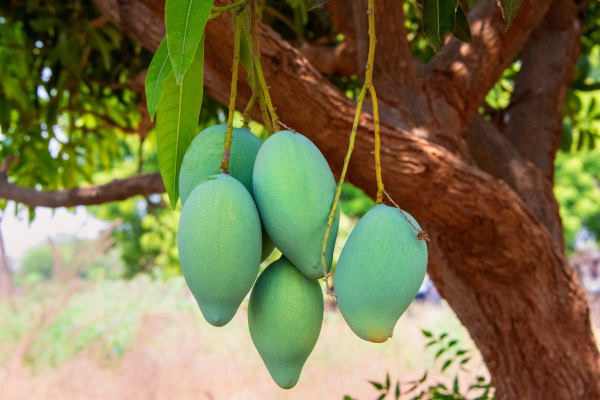
Mango, known in Sanskrit as Āmra, holds a special place in Ayurveda as both a nourishing fruit and a seasonal food-medicine. It is one of India’s most loved fruits, celebrated for its taste, fragrance, cooling summer presence and deep cultural connection. Ayurveda looks at mango with great detail, recognising that its effect changes according to its stage of ripening, method of preparation and the strength of digestion of the person consuming it.
The ripe mango is praised as sweet, nourishing, strengthening and pleasing to the senses. The raw mango, on the other hand, is treated with greater care because of its sourness, sharpness and strong effect on digestion. Classical food traditions therefore prepared raw mango with spices, salt, jaggery and cooling ingredients to make it more balanced and suitable for seasonal use.
Sanskrit Names
Mango is commonly known in Ayurveda as:
Āmra – the mango tree and fruit
Cūta – another classical name for mango
Sahakāra – often used for fragrant varieties
Rasāla – associated with juicy and sweet mangoes
Different parts of the mango tree are also used in traditional medicine, including the fruit, seed kernel, flower, bark and leaves.
Ayurvedic Nature of Mango
Ayurveda does not describe mango as a single uniform food. The raw fruit and ripe fruit are understood differently.
Ripe Mango
Ripe mango is generally described as madhura rasa or sweet in taste. It is nourishing, strengthening and satisfying. When properly ripened and eaten in moderation, it supports energy, body strength and pleasure in food.
It is traditionally considered useful for building tissues and improving satisfaction after meals. A good ripe mango, taken according to season and digestion, is seen as a wholesome fruit.
Raw Mango
Raw mango is mainly amla rasa or sour in taste. It is sharper, more stimulating and heavier for digestion when taken excessively. Ayurveda recognises that raw mango can improve taste and appetite, but its sour and heating influence can disturb Pitta when used in excess.
This is why raw mango is often processed into drinks, chutneys, pickles and digestive preparations with balancing ingredients.
Rasa, Guna, Virya and Vipaka
Rasa – Taste
Raw mango is sour-dominant, with a mild astringent undertone in the immature stage. Ripe mango is sweet-dominant and more pleasant to the body.
Guna – Qualities
Raw mango is comparatively heavy and sharp. Ripe mango is nourishing, soft, pleasing and strength-giving.
Virya – Potency
Raw mango can show a heating influence when used in excess because of its sourness. Ripe mango is more balancing when properly digested.
Vipaka – Post-Digestive Effect
Ripe mango tends towards a nourishing post-digestive effect. Raw mango, due to its sour and sharp nature, must be used with suitable spices and digestive supports.
Effect on Doshas
Vata
Raw mango may aggravate Vata when eaten in excess, especially if taken dry, very sour or without balancing ingredients. When prepared with salt, spices and a little sweetness, it becomes more suitable.
Pitta
Raw mango can aggravate Pitta because of its sourness. People with acidity, burning sensation, heat in the body, skin irritation or excess Pitta should use it carefully.
Kapha
Ripe mango can increase Kapha if taken heavily, especially after meals or along with incompatible foods. Raw mango with spices may stimulate digestion, but excess pickles and sour preparations can still disturb balance.
Mango in Classical Ayurvedic Thought
Classical Ayurvedic texts and nighantus discuss Āmra as a valuable plant with multiple uses. The fruit is important in dietetics, the seed kernel is used in traditional formulations, the bark has astringent properties, and the flowers are also known in medicinal contexts.
The most important lesson from Ayurveda is that mango must be understood by stage. A ripe mango and a raw mango behave differently in the body. Ayurveda therefore gives mango a respected place while also teaching moderation, proper combination and seasonal intelligence.
Raw Mango as a Summer Food
Raw mango is closely connected with summer food traditions across India. During hot months, raw mango is used in drinks, chutneys and light side dishes to awaken appetite and reduce the dullness caused by heat. However, Ayurveda advises that raw mango should be properly prepared because its sourness is strong.
A balanced raw mango preparation usually includes some of the following:
Cumin
Rock salt
Black pepper
Dry ginger
Jaggery
Coriander
Mint
Water
Cooling or digestive spices
These ingredients help soften the sharpness of raw mango and make it more digestible.
Classical Recipe: Jali – Spicy Raw Mango Drink
A traditional preparation known as Jali, described as a spicy raw mango drink, is associated with Bhāvaprakāśa Nighaṇṭu, 12/160–161. This preparation reflects the Ayurvedic approach to raw mango: the fruit is used with spices and balancing ingredients so that its sourness becomes useful, refreshing and digestion-supporting.
Ingredients
Raw mango
Water
Rock salt
Roasted cumin powder
Black pepper
Dry ginger or fresh ginger
Jaggery or another natural sweetener
Optional cooling herbs such as coriander or mint
Method
Raw mango is cooked or softened and its pulp is extracted. The pulp is mixed with water, rock salt, roasted cumin, black pepper, ginger and jaggery. The drink is stirred well and served in a diluted form. It should taste sour, mildly sweet, spicy and refreshing.
Ayurvedic Understanding of Jali
Jali is a good example of Ayurvedic food intelligence. Raw mango alone can be too sour and sharp, but when prepared with cumin, ginger, pepper, salt and sweetness, it becomes a digestive summer drink. It stimulates taste, supports appetite and gives refreshment during heat.
The spices help kindle agni, while the dilution with water makes the drink lighter. The sweetness balances the sourness, and rock salt helps improve taste and digestion. This is why traditional raw mango drinks are rarely made with mango alone; they are designed as complete digestive beverages.
Benefits of Mango in Ayurveda
Supports Strength and Nourishment
Ripe mango is valued as a strengthening fruit when taken in the right season and quantity. It supports nourishment and satisfaction.
Improves Taste
Raw mango preparations improve taste and appetite, especially during summer when food interest may reduce.
Supports Digestion When Properly Prepared
Spiced raw mango drinks, chutneys and light preparations can support digestion when prepared with cumin, ginger, pepper and salt.
Useful in Seasonal Food Culture
Mango belongs naturally to the summer diet. Traditional preparations help the body adapt to heat, thirst and seasonal appetite changes.
Supports Traditional Food Diversity
Mango is used in drinks, chutneys, curries, pickles, sweet dishes, dried preparations and medicinal recipes, showing its deep place in Indian food culture.
How to Use Mango Properly
Ripe mango should be eaten fresh, naturally ripened and in moderation. It is best taken as a separate fruit or as part of a simple meal pattern.
Raw mango should be used in prepared forms such as drinks, chutney, light curry or pickle. It should be balanced with spices and salt. Excess raw mango, especially very sour varieties, should be avoided by people with strong Pitta conditions.
Food Combinations to Use Carefully
Ayurveda gives importance to food combinations. Mango should be taken with care when combined with heavy dairy, excessive fried foods or large meals. Mango milkshakes are popular today, but classical Ayurveda generally prefers simple, digestible combinations based on individual agni.
Raw mango pickles should be used in small quantities. They are taste-enhancing, but excess salt, oil and sourness can disturb Pitta and Kapha.
Who Should Use Raw Mango Carefully
Raw mango should be used with care by people who have:
Acidity
Burning sensation
Mouth ulcers
Skin irritation linked with heat
Loose stools caused by Pitta
High internal heat
Sensitive digestion
For such people, raw mango should be mild, diluted and well balanced with cooling and digestive ingredients.
Simple Ayurvedic Raw Mango Drink for Summer
Cook or roast one raw mango until soft. Remove the pulp and mix it with water. Add roasted cumin powder, rock salt, a small amount of jaggery, black pepper and a pinch of dry ginger. Stir well and serve diluted.
This kind of drink is refreshing, appetising and more balanced than eating raw mango directly.
Cultural Importance
Mango is not only a fruit in India; it is part of ritual, agriculture, medicine, poetry and household food traditions. Mango leaves are used in auspicious decorations. Mango fruit is loved across regions. Raw mango marks the arrival of summer, while ripe mango represents abundance, sweetness and seasonal joy.
Ayurveda’s greatness lies in observing all these layers. It sees mango as food, medicine, seasonal support and cultural treasure.
Conclusion
Mango, or Āmra, is one of Ayurveda’s most cherished fruits. Ripe mango nourishes, strengthens and delights the body when taken properly. Raw mango stimulates taste and supports seasonal food traditions when prepared with balance.
The classical recipe of Jali, the spicy raw mango drink mentioned in Bhāvaprakāśa Nighaṇṭu, shows the wisdom of Ayurvedic cooking. Ayurveda does not reject the sour strength of raw mango; it transforms it through spices, dilution and proper preparation.
Mango is therefore more than the king of fruits. In Ayurveda, it is a lesson in season, taste, digestion and balance
You may also like
-
Ayurvedic Foods and Medicines for Better Mood: Supporting Sattva, Emotional Balance and Mental Wellbeing
-
India’s Serendipity Space Tests ‘Alchemy’ as It Builds Satellites to Manufacture Medicines in Orbit
-
IIT Madras and CMC Vellore Build AI Toolkit to Detect Kidney Disease Before Major Damage
-
Ayurvedic Foods for Fatigue: Building Energy, Strength and Better Daily Nourishment
-
Ayurvedic Foods That May Help Ease Gas, Bloating and Indigestion
