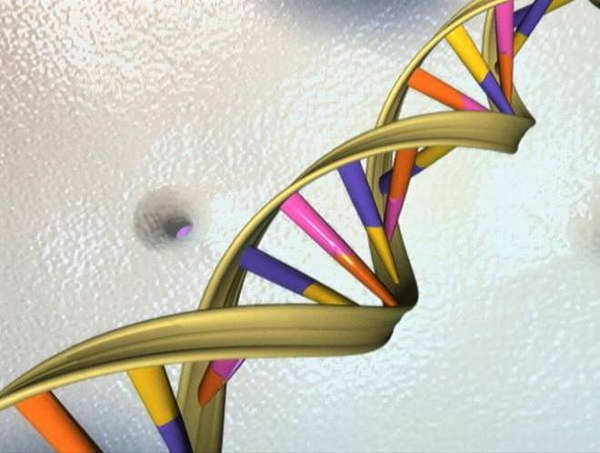
A major genomic study under the GenomeIndia initiative has underlined an important message for Indian healthcare: medical risk models, diagnostic tools and treatment assumptions developed largely from European or American genetic datasets may not always fit Indian patients with the same accuracy. The report, published by Daijiworld on May 13, 2026, says the findings reveal how India’s population carries highly distinct genetic patterns that require India-specific healthcare frameworks.
The GenomeIndia project is one of the country’s most ambitious scientific efforts to map the genetic diversity of Indian populations. Funded by the Department of Biotechnology, the project aims to build a comprehensive catalogue of genetic variations that reflect India’s unique population structure. The official GenomeIndia portal states that 20,000 samples have been collected from 83 diverse populations, while whole genome sequencing has been completed for 10,000 samples.
The key concern raised by the latest report is that India’s genetic diversity is not adequately represented in many global medical databases. When disease-risk prediction tools are built mainly on Western population data, they may miss Indian-specific variants or misread risk patterns among Indian communities. This does not mean Western medicine is unsuitable for Indians; it means that genetic risk assessment, precision medicine and drug-response prediction must be validated against Indian genomic realities.
Researchers involved in the project found a large number of previously undocumented genetic variations among Indian populations. Daijiworld reported that the study identified nearly 1.5 million protein-coding genetic variants, many of which are absent from existing global medical databases. Such variants can influence inherited disease risk, rare disorders, endocrine conditions, metabolic illnesses and response to medicines.
The findings are especially important for tribal and endogamous communities, where genetic isolation can lead to higher concentration of certain inherited conditions. The report noted that some tribal populations showed elevated risks for diseases such as sickle cell disease, metabolic disorders and endocrine-linked illnesses. This makes community-specific screening and counselling more important than a one-size-fits-all medical model.
GenomeIndia’s scientific value lies in its scale and diversity. A Nature Genetics paper on the project described it as a major effort to capture the genetic diversity of one of the world’s most underrepresented populations in global genomics. The study worked with whole genomes of 10,000 healthy and unrelated Indians from 83 populations, creating a stronger foundation for Indian biomedical research.
For public health, this can help India move toward more accurate newborn screening, rare disease diagnosis, genetic counselling and population-specific disease-risk prediction. It can also support pharmacogenomics, where doctors study how a patient’s genetic background may influence response to medicines. In a country as diverse as India, such tools could help reduce misdiagnosis and improve early detection of inherited disorders.
The project also strengthens India’s scientific self-reliance. The Ministry of Science and Technology said in 2025 that GenomeIndia had completed a whole-genome sequencing database of over 10,000 individuals representing major population groups across the country. The data is stored through national scientific infrastructure, including the Indian Biological Data Centre, with access governed by established data-sharing protocols.
The larger message is clear: India cannot fully depend on imported genetic assumptions to design its future healthcare systems. With more than 4,600 population groups and deep linguistic, cultural and community diversity, India needs its own reference datasets to build fairer and more accurate medical tools. GenomeIndia gives researchers the foundation to develop diagnostics and treatment strategies that are better suited to Indian populations.
The study should therefore be seen as a turning point for Indian precision medicine. It does not reject global medical science; it expands it by adding Indian genomic evidence to a field that has long been dominated by Western datasets. If used responsibly, GenomeIndia can help doctors, researchers and policymakers build a healthcare model that is more local, more accurate and more inclusive.
References:
Official GenomeIndia Portal
https://genomeindia.in/
GenomeIndia FAQ – Project scope, 10,000 genomes and 83 populations
https://genomeindia.in/FQA.php
Nature Genetics – Mapping genetic diversity with the GenomeIndia project
https://www.nature.com/articles/s41588-025-02153-x
PubMed – Mapping genetic diversity with the GenomeIndia project
https://pubmed.ncbi.nlm.nih.gov/40200122/
PIB – Launch of Indian Genomic Data Set and IBDC Portals
https://www.pib.gov.in/PressReleasePage.aspx?PRID=2091577
PIB – GenomeIndia
https://www.pib.gov.in/PressReleasePage.aspx?PRID=2125504
GenomeIndia – Nature Genetics paper summary
https://genomeindia.in/naturegentic.php
Genome India Database / GI-DB
https://gidb.igib.res.in/
DD News – India entering era of personalised and precision medicine driven by genomics and AI
https://ddnews.gov.in/en/india-entering-era-of-personalised-and-precision-medicine-driven-by-genomics-and-ai-jitendra-singh/
You may also like
-
Why Fatty Liver Is Appearing Earlier — And What Lifestyle Has to Do With It
-
Before the Heart Falls Ill: The Ayurvedic Way of Protecting Hridaya Through Daily Living
-
Why Ayurveda Begins the Morning by Looking at the Tongue
-
High Blood Pressure Through an Ayurvedic Lens: Stress, Diet and Dosha Imbalance
-
IISc Develops Engineered Nanobody Antivenom With Broad Protection Against Indian Cobra Venoms
