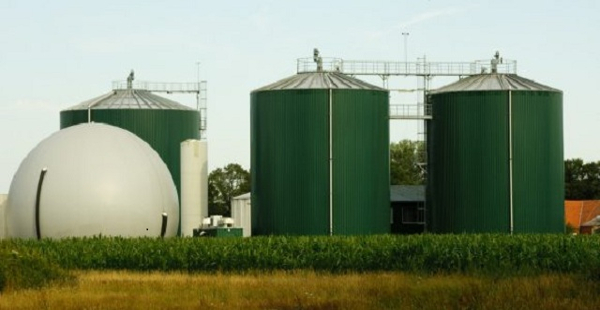
A Gujarat educational institution has emerged as a practical model for clean energy, circular waste management and campus-level self-reliance by using organic waste to generate cooking fuel for more than 500 meals every day. The Shrimati Manekba Vinay Vihar Educational Complex near Adalaj in Gandhinagar, managed by the Vasumati Charitable Trust, has eliminated its dependence on conventional LPG by switching to a biogas-based cooking system.
The campus now prepares daily meals for over 500 people, including around 250 hostel students who are served twice a day, along with 15 staff families residing on the premises. Instead of relying on LPG cylinders, the institution uses two biogas plants with a combined capacity of 90 cubic metres per day. These plants convert cow dung, kitchen waste and agricultural residue into usable cooking gas.
The system is powered mainly by dung from 222 cows housed in the trust’s cowshed, along with biodegradable waste from the campus kitchen and nearby fields. The biogas generated is sufficient to meet the institution’s full cooking fuel requirement, removing the need for LPG cylinders altogether. Officials said the campus would otherwise require around 30 LPG cylinders every month.
The project also demonstrates the wider value of biogas beyond fuel generation. After gas production, the remaining slurry is used as organic manure in the institution’s fields. This helps support organic farming, reduces dependence on chemical fertilisers, lowers input costs and improves soil fertility. In effect, the campus has created a closed-loop model where waste from cattle, kitchens and farms is converted first into clean energy and then into natural fertiliser.
The initiative has been highlighted as an example of innovation under Swachh Bharat Mission-Urban 2.0, which promotes scientific waste management and resource recovery in urban areas. Biogas is produced through anaerobic decomposition of organic waste and is considered one of the more economical and environmentally friendly cooking fuels, especially for institutions that generate steady volumes of biodegradable waste.
The Gujarat Energy Development Agency supports such projects through financial assistance for biogas plants with capacities ranging from 25 to 85 cubic metres. Non-profit institutions are eligible for subsidy support of up to 75 percent, making the shift to biogas more financially viable for schools, hostels, gaushalas, charitable institutions and similar establishments.
Over the past five years, around 193 institutional biogas plants have been established across Gujarat. The state’s experience shows how decentralised clean-energy systems can help reduce pollution, improve waste disposal, cut fuel costs and promote energy self-sufficiency.
The Gandhinagar campus model underlines a simple but powerful lesson: organic waste need not remain a disposal problem. When handled scientifically, it can become a dependable source of clean cooking energy, a support system for organic farming and a practical pathway toward greener, more self-reliant institutions.
Source: PIB
You may also like
-
ICAR Scientists Develop Indigenous Protective Gloves for Cotton Farmers, Sign Commercial Manufacturing Agreement
-
BHEL–Coal India Joint Venture Begins Construction of ₹25,016 Crore Indigenous Coal Gasification Project in Odisha
-
Indian Physicist Ashoke Sen Becomes First Indian to Receive Prestigious Oskar Klein Medal
-
PM Modi to Inaugurate RBI’s Tier IV Data Centre and Cybersecurity Training Institute in Bhubaneswar
-
India Creates 11 Crore Digital Farmer IDs Five Months Ahead of Target, Strengthening AgriStack Infrastructure
