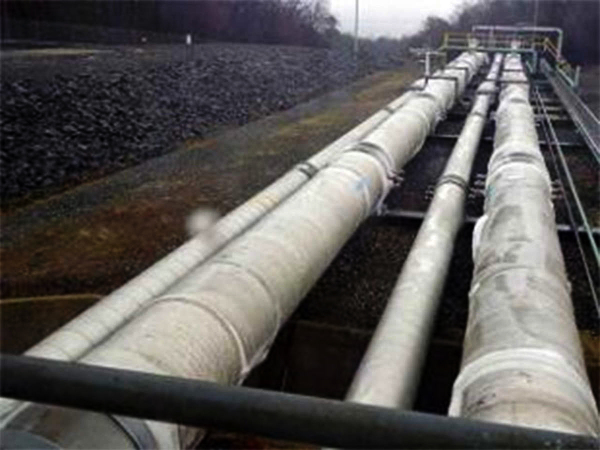
India has begun supplying 5,000 metric tonnes of diesel to Bangladesh through the Bangladesh–India Friendship Pipeline, marking another step in the growing energy cooperation between the two neighbouring countries. The diesel shipment originates from the Numaligarh Refinery Limited (NRL) in Assam and is being pumped through the cross-border pipeline to the Parbatipur depot in Dinajpur, northern Bangladesh.
How the supply is being delivered
The diesel pumping reportedly started in the afternoon and the fuel travels through the pipeline at a steady rate of about 113 tonnes per hour, meaning it takes around 44 hours for the entire consignment to reach Bangladesh.
This delivery is part of a long-term energy trade agreement between India and Bangladesh, under which India supplies approximately 180,000 tonnes of diesel annually through the pipeline.
About the Friendship Pipeline
The Bangladesh–India Friendship Pipeline is the first cross-border energy pipeline between the two countries.
- Length: about 131.5 km
- Route: Siliguri (India) to Parbatipur (Bangladesh)
- Purpose: transport high-speed diesel directly to Bangladesh
- Inaugurated: March 2023 by Prime Minister Narendra Modi and Prime Minister Sheikh Hasina
The pipeline allows fuel to be transported more efficiently and cheaply compared with road or rail transport, improving Bangladesh’s energy security and strengthening bilateral cooperation.
Why this shipment is important
The diesel supply comes at a time when global energy markets have been disrupted by tensions in West Asia, which have affected fuel availability in several countries, including Bangladesh.
Bangladesh imports the majority of its energy and has faced fuel shortages and rising costs, prompting Dhaka to seek reliable supplies from neighbouring partners like India.
Strategic significance
Beyond immediate fuel needs, the pipeline represents a broader strategic partnership between India and Bangladesh. Energy cooperation has become a major pillar of bilateral relations, helping:
- Strengthen regional energy security
- Reduce transport costs and logistics delays
- Expand India’s role as a reliable energy partner in South Asia
The current 5,000-tonne shipment is therefore not just a routine commercial delivery—it reflects a deeper integration of infrastructure, trade, and diplomacy between the two nations.
Source: News on Air
You may also like
-
Equinor’s 15-Year LNG Agreement With Deepak Fertilisers Enters Supply Phase, Deepening India–Norway Energy Links
-
Russian Fibre-Optic Monitoring Specialist SibSensor Signs India Cooperation Agreement With TVS Group
-
Japanese Parliamentary Delegation Visits BEL and Reviews Advanced Defence Systems
-
Governing for the India That Can Be: India’s Political Shift From Managing Problems to Building Solutions
-
India–Taiwan Deep-Tech Investment Link Expands With ₹1,000-Crore Advanced Manufacturing Fund
