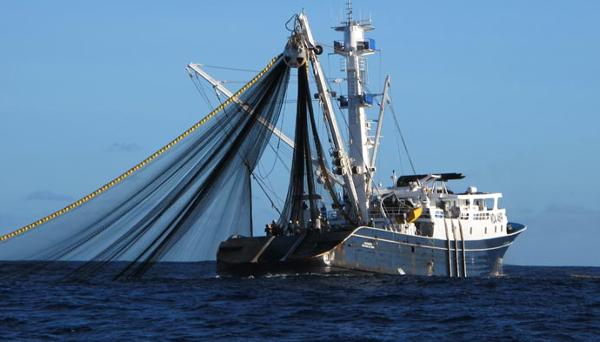
The introduction of modern navigation technology is bringing a significant transformation to the lives of traditional fishing communities in Car Nicobar. The use of Global Positioning System (GPS) devices among local fishermen has improved fishing efficiency, increased income levels, and strengthened food security for the island’s tribal communities.
Fishing has long been the backbone of livelihood for the Nicobarese community. For generations, fishermen relied primarily on experience, intuition, and knowledge passed down through tradition to locate fishing grounds in the surrounding waters. However, unpredictable weather conditions and the absence of precise navigation tools often made fishing risky and inefficient. Boats occasionally lost their way during sudden weather disturbances, leading to loss of productive time and sometimes posing dangers to fishermen at sea.
Recognising these challenges, the Central Island Agricultural Research Institute introduced GPS devices for fishermen in Car Nicobar under the SEED Division programme of the Department of Science and Technology. The initiative aims to bring appropriate technology solutions to remote and tribal communities, enabling them to improve livelihoods while preserving traditional occupations.
Under the programme, fishermen were trained in GPS navigation as well as modern fishing practices to ensure effective use of the new technology. Detailed surveys were conducted to understand the needs and difficulties faced by local fishermen, and technology adoption was promoted with the support of the local Tribal Council. This community-oriented approach helped ensure that the devices were not only introduced but also actively used by fishermen in their daily activities.
The introduction of GPS technology has dramatically changed the way fishermen operate. With accurate location tracking, fishermen can now identify and return to productive fishing zones quickly and efficiently. Instead of spending long hours searching for fish, they can reach the most promising fishing grounds in a shorter time, resulting in improved productivity and reduced risk at sea.
The impact has already been visible within the community. Fishermen such as Junaid from Teetop village and Abdul Sattar from Chuchucha village have seen their catches increase significantly, enabling them not only to meet their family’s needs but also to sell surplus fish in local markets. This has created a new source of income and economic stability for several families.
To further support the initiative, a Coastal Fisheries Information Hub has been established on Car Nicobar Island. As part of the project, ten GPS devices have been deployed—five distributed directly to tribal fishermen and five kept for shared use within the community. This ensures that the technology remains accessible even to fishermen who may not own individual devices.
According to programme observations, the use of GPS has led to a remarkable increase in fishing productivity. Daily catch volumes among participating fishermen have increased by an average of around 168 percent, even though less time is now spent at sea due to precise navigation and the ability to mark and revisit productive fishing areas.
The benefits of this increase extend beyond income. Greater availability of fish has improved access to fresh protein and essential nutrients within the community, contributing to better health and nutrition among families. Higher incomes have also enabled households to diversify their diets and improve overall living conditions.
The success of the initiative demonstrates how the integration of modern technology with traditional livelihoods can empower remote communities. By combining scientific innovation with local knowledge, programmes such as this are helping island communities strengthen both their economic resilience and food security while continuing their centuries-old fishing traditions.
Source: PIB
You may also like
-
EON Space Labs and Dhruva Space Advance Indian Space Hardware on Transporter-18 Mission
-
SatLeo Labs’ TAPAS-1 Reaches Orbit, Advancing India’s Private Thermal-Imaging Capability
-
TakeMe2Space’s MOI-1A Reaches Space on Falcon 9 Transporter-18 Mission
-
Bank of Baroda Enters Pension Fund Management After PFRDA Appointment
-
PRAHAAR: India’s First National Counter-Terrorism Policy and Strategy
