Research

News on Science, Technology and Research in India

Innovation Portal developed NIF Inaugurated |innovation.nif.org.in

The National Innovation Portal(NIP) is currently home to about 1.15 lakh innovations scouted from common people of the country, covering Engineering, Agriculture, Veterinary and Human Health. In terms of domain areas, presently the innovations cover Energy, mechanical, automobile, electrical, electronics, household, chemical, civil, textiles, Farm / cultivation practice, storage practice, plant variety, plant protection, poultry, livestock management, nutraceuticals etc.

40th Indian Scientific Expedition to Antarctica Launched

The scientific and logistic activities of the 40thIndian Antarctic expedition are limited due to the existing challenges associated with COVID-19 pandemic. The focus is to support the ongoing scientific projects on climate change, geology, ocean observations, electric and magnetic flux measurements, environmental monitoring; resupplying of food, fuel, provisions and spare; and accomplishing the return of the winter crew.

National Atomic Timescale Inaugurated

In his inaugural address the Prime Minister lauded India’s efforts to become self-reliant in measuring the time within the range of a nanosecond. Achieving the accuracy level of 2.8 Nano Second is a huge capability in itself. Now Indian Standard Time is matching the International Standard Time with the accuracy range of less than 3 nanoseconds. This will be a big help for organization like ISRO who are working with cutting edge technology. Banking, railways, defense, health, telecom, weather forecast, disaster management and many similar sectors will be benefited greatly from this achievement.

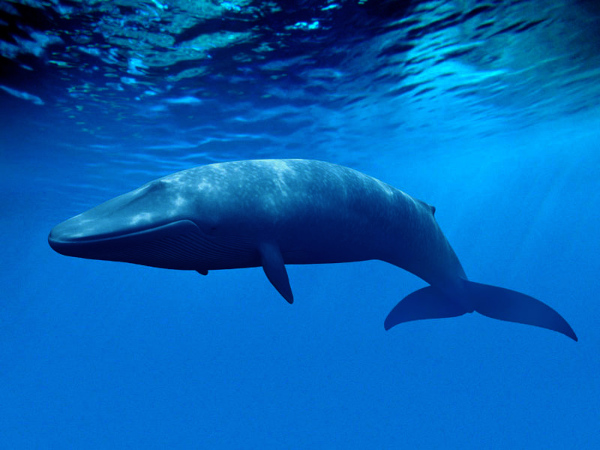
Previously Unknown Whale Population Discovered in Indian Ocean

Blue whales or Balaenoptera musculus are the largest living animals on the planet and they use songs to communicate and socialise. Blue Whales are often identified by their unique low-frequency sounds, which can be louder than a jet engine, with the pitch reaching up to 188 decibels, as per World Wildlife Fund (WWF).