Research

News on Science, Technology and Research in India

Discovered in Bhimbetka, India’s Lone Fossil of World’s Oldest Animal

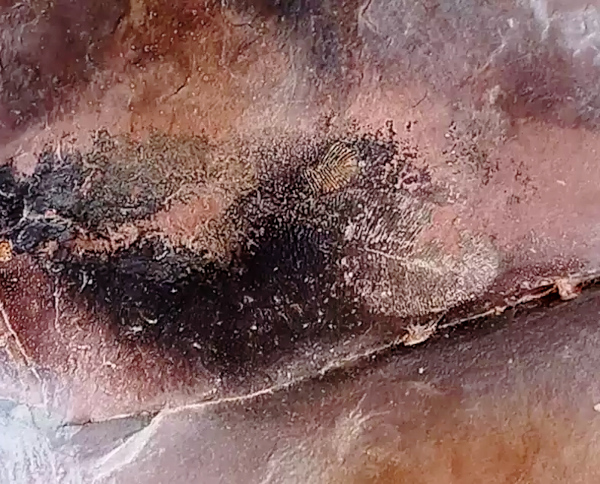
Hidden in plain sight, one of the rarest fossils in the world may have been discovered in the fascinating Bhimbetka rock shelters, a Unesco site about 40km from Bhopal.
Researchers believe they have found the first-ever fossil in India of a Dickinsonia —the Earth’s ‘oldest animal’, dating back 570 million years — on the roof of what’s called the ‘Auditorium Cave’ at Bhimbetka.
Ministry of Science and Technology gets ₹ 14793.66 Crore in the Budget 2021-22

The Ministry of Science and Technology (S&T) has been allocated Rs 14,793.66 crore in the budget 2021-22, a 20 percent increase from the current fiscal. The Ministry of S&T has three departments — The Department of Science and Technology (DST), Department of Biotechnology, and The Department of Scientific and Industrial Research (DSIR). All these departments played a key role in combating the COVID-19 pandemic in the country.

New Security Ink for Protection to Bank-Cheques Against Counterfeiting

Counterfeiting a banknote containing multiple security features is rather difficult. But counterfeiting a bank cheque is not that tough because of a lack of security features. To fix this problem a group of researchers from the Council of Scientific and Industrial Research- National Physical Laboratory (CSIR-NPL) has developed a new security ink for bank cheques that is difficult to replicate.

Covid-19 Lockdown Influenced Local Weather: IITM Study reveals

As a result of the complete lockdown imposed by the Government of India to stop the spread SARS-CoV-2 virus from March 25 to April 14, 2020, the highways and streets of cities became almost empty, devoid of any public transport, and workplaces were closed. People were confined to their homes. This has led to an unprecedented reduction of air pollutants which rejuvenated the atmosphere.

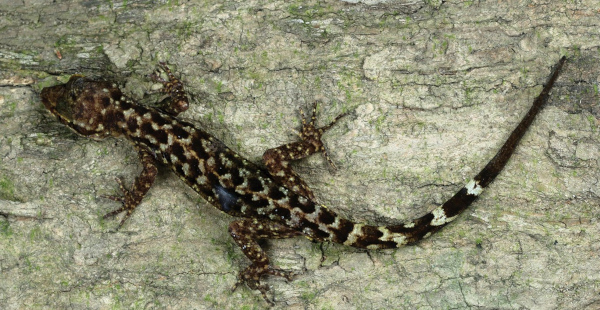
Indian Researchers Discover New Gecko Species in Arunachal Pradesh

The new species, which belongs to the genus Cyrtodactylus commonly known as bent-toed geckos, was discovered by Zeeshan Mirza of the National Centre for Biological Sciences in Bengaluru, Harshal Bhosale and Mandar Sawant of the Bombay Natural History Society in Mumbai, Faizan Ansari of the Madras Crocodile Bank in Chennai, Gaurang Gowande of Ferguson College in Pune, Pushkar Phansalkar from Pune, and Harshil Patel of the Veer Narmad South Gujarat University in Surat.

NIOT Developed Biodegradable Plastic from Marine Seaweed

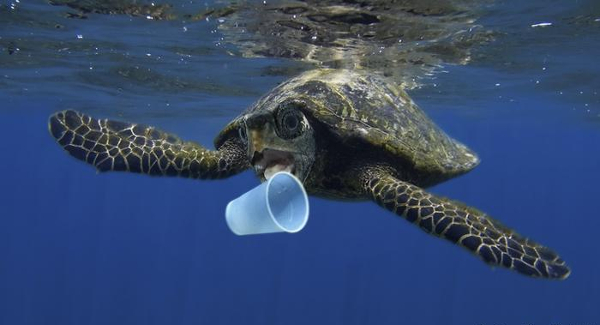
The National Institute of Ocean Technology (NIOT) has developed a bio-plastic film using marine seaweed and PEG-3000 which could have a huge impact on limiting the usage of non-biodegradable plastics and a game-changer in the plastic industry. Bio-plastic films safely breakdown in the environment without leaving any toxicity. The physical and mechanical properties of bio-plastic film meet the properties of conventional plastics.