Research

News on Science, Technology and Research in India

ICAR-IVRI Transfers Technology – CSF & Sheep Pox Vaccine through Agrinnovate

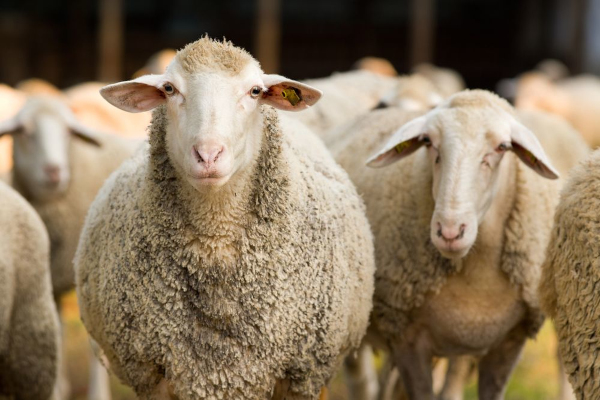
The Indigenous CSF Cell Culture Vaccine (IVRI-CSF-BS) developed by using an Indian field isolates has a huge export potential. Due to its very high titre (1×109.5 TCID50 / ml), the Vaccine can produce a large number of doses (60 Lakhs approx.) easily from only one 75 cm² Tissue Culture Flask. The country’s yearly requirement of 22 million doses can be prepared in just four 75 cm² Tissue Culture Flasks.

Spices Board India and UNDP Lab Sign MoU to Develop Blockchain-Powered Traceability Interface for Indian spices

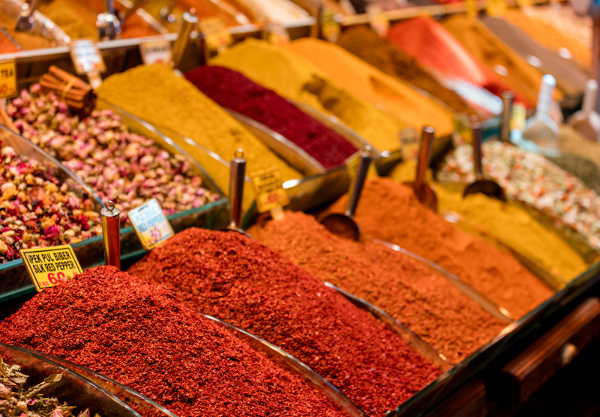
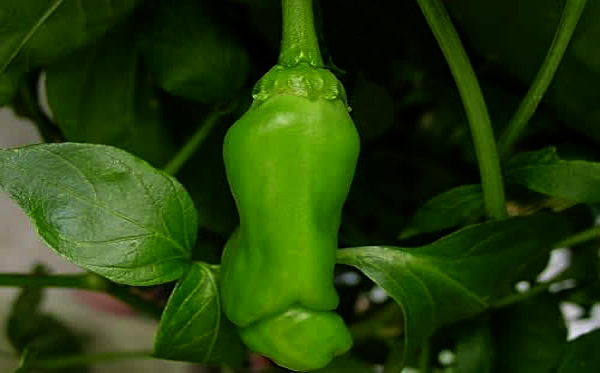
UNDP and Spices Board India are working towards integrating the Blockchain Traceability Interface with the e-Spice Bazaar portal developed by Spices Board India for connecting spices farmers with markets.Design of the Blockchain interface is expected to be completed by May’21. The project will be piloted with over 3,000 farmers engaged in chilli and turmeric farming in select Districts of Andhra Pradesh.

New hope for Mitochondrial Disorders

On further study, the researchers found that Polymerase GammaA in 50% of the tested adPEO patients was highly ubiquitylated. However it was possible to reverse the process of ubiquitylation either by removing MITOL itself or by genetically modifying the site Polymerase GammaA in adPEO patients that gets highly ubiquitylated by MITOL. Speaking to India Science Wire, the leader of the team, Dr. Sagar Sengupta, said, “It will be interesting to test in future whether the reactivation of Polymerase Gamma A can actually be carried out in the patients using mitochondrial genome editing techniques”.

Indian Researchers Develop Nanozymes that can Block HIV Reactivation

The study, published in ‘EMBO Molecular Medicine, was led by Amit Singh, Associate Professor and Wellcome Trust-DBT India Alliance Senior Fellow at the Department of Microbiology & Cell Biology and Centre for Infectious Diseases Research (CIDR), and Govindasamy Mugesh, Professor at the Department of Inorganic and Physical Chemistry.

Study Finds Need for Producing Region-Wise Antivenom for Snakebite

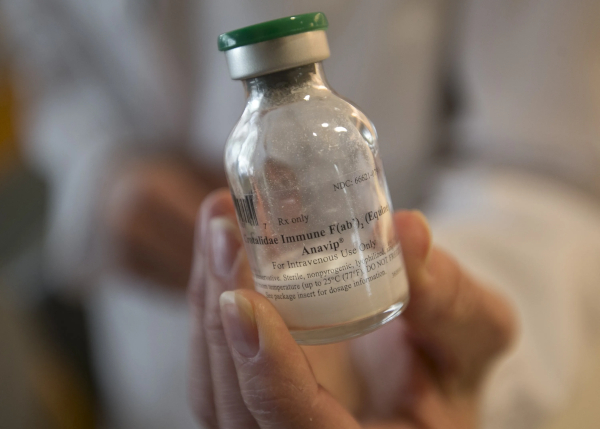
In a new study geared in this direction, researchers at Bengaluru-based Indian Institute of Science (IISc)’s Centre for Ecological Sciences (CES) and collaborators have demonstrated that the venom of Russell’s vipers was dramatically different in composition and toxicity based on geographical location, though the commercial antivenom treatment for Russell’s viper venom works as marketed for most populations of this snake, except the ones in North India.