Research

News on Science, Technology and Research in India

3-D Seismic Data can Help Apprehend Precursors of Marine Geohazards from Interactions Between Seabed & Marine Sediments

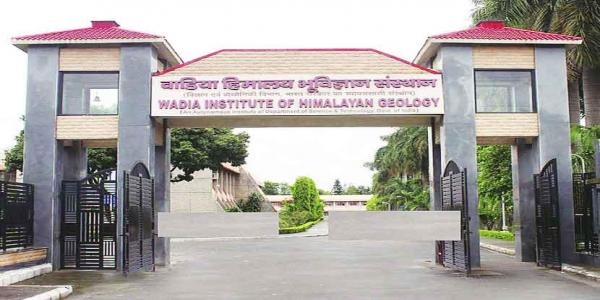
Scientists from Wadia Institute of Himalayan Geology (WIHG), an autonomous institute under the Department of Science and Technology, Govt. of India, and scientists from Norway and Switzerland used high-resolution 3D seismic data to unravel geomorphology of recurrent cases of movement of soil, sand, regolith, and rock downslope like a solid in Taranaki basin off New Zealand. This is technically called mass wasting of sediments. The study led by Prof. Kalachand Sain was published in the journal ‘Basin Research’.

Scientists Identify Genes to Improve Fertilizer Nitrogen Use Efficiency in Rice

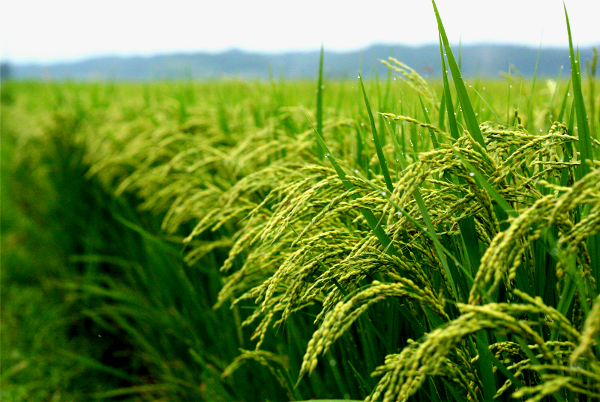
In a major boost to the scientific efforts for crop improvement to save nitrogenous pollution and fertilizers worth billions, Indian biotechnologists identified candidate genes for nitrogen use efficiency (NUE) in rice. This was accomplished by Prof. Nandula Raghuram, Dr. Supriya Kumari and Dr. Narendra Sharma from the School of Biotechnology, Guru Gobind Singh Indraprastha University, New Delhi.

Novel Technique Could Help Detect Tropical Cyclones for Bay of Bengal Basin Earlier than Satellites

A team of Scientists including Jiya Albert, Bishnupriya Sahoo, and Prasad K. Bhaskaran from IIT Kharagpur, with support from the Department of Science & Technology, Government of India under the Climate Change Programme (CCP), devised a novel method using Eddy detection technique to investigate the formative stages and advance detection time of tropical cyclogenesis in the North Indian Ocean region. The research was published in the journal ‘Atmospheric Research’ recently.

Researchers Develop Hydrogen-Fuelled Spark-Ignition Engine Generator for Zero-Emissions

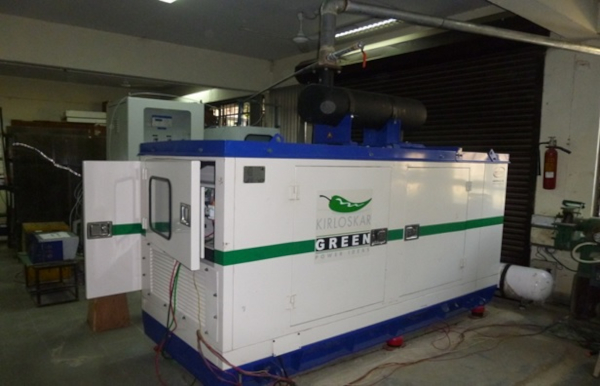
Researchers at the Engines and Unconventional Fuels Laboratory, IIT Delhi developed a new technology and built “Hydrogen fuelled Spark-Ignition Engine Generator” in collaboration with Kirloskar Oil Engines Limited (KOEL), and the Indian Oil R&D Centre for the utilization of hydrogen in internal combustion engines for zero-emission with higher thermal efficiency. A dedicated lubricating oil for the engine was also developed by the IOCL.

Researchers Track Reason Behind Decline in Star Formation Activity 8 Billion Years Ago

Astronomers tracking star formation activity of the young Universe billions of years ago have long been intrigued by the fact that star formation in galaxies which was at its highest about 8-10 billion years ago, had declined steadily thereafter. Searching for the reason behind this, they have found that the likely cause for the decline is that galaxies were running out of fuel.

Anomalously Large Abundance of Lithium in Low Mass Red Giants Traced to He-Flashing Phase of 2 Million Years

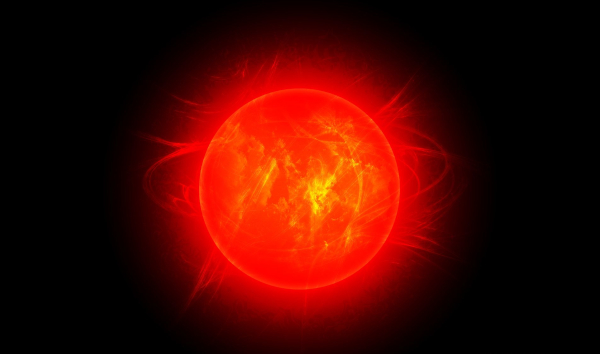
Scientists from the Indian Institute of astrophysics have pinned down the mechanism behind the Lithium production in low mass red clump stars. Having found lithium excess to be common among the low mass red clump giants, they have now traced Helium (He)-flashing phase of the star’s evolution as the site for high lithium production. This transition phase lasts for about 2 million, during which RGB giants with inert He-core at the centre become red clump giants of He-core burning.