ARCI Develops Cost-Effective Catalysts for Metal-Air Battery
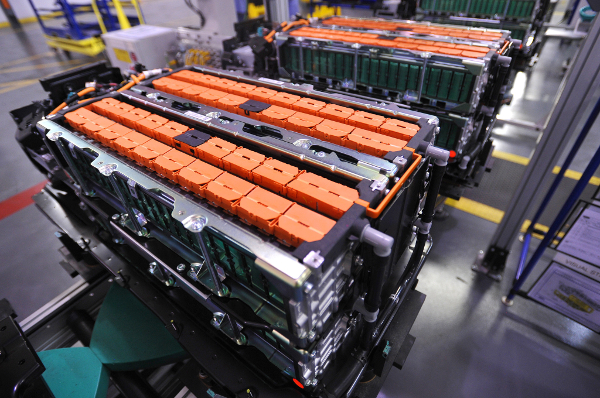
A new non-precious metal-based bi-functional electrocatalyst (capable of catalyzing two different types of reactions) can decrease cost and increase the efficiency of metal air batteries.
News on Science, Technology and Research in India
A new non-precious metal-based bi-functional electrocatalyst (capable of catalyzing two different types of reactions) can decrease cost and increase the efficiency of metal air batteries.
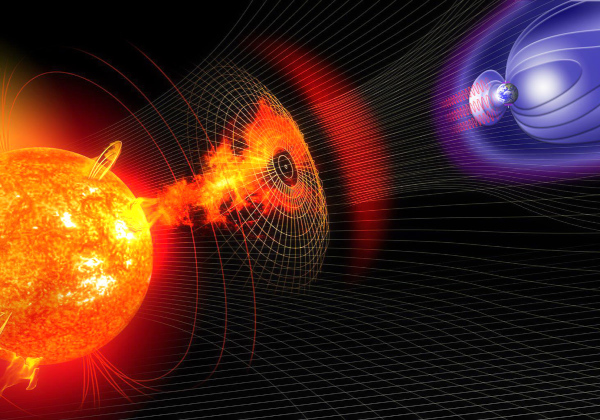
The abundance of heavy metals in oldest metal-poor stars that are born from the ejecta of first stars has intrigued astronomers for long as already known processes of reaction of chemical elements by nuclear fusion within stars (nucleosynthesis) could not explain it. Scientists have now found a clue to this abundance in a nucleosythesis process called the i-process.
Researchers have developed a non-expensive way to coat carbon on lithium metal oxide electrodes for lithium-ion batteries. The life of the lithium-ion cells prepared using these electrode materials is expected to be doubled due to protective carbon coating.
Chandigarh based CSIR-Central Scientific Instruments Organisation (CSIO) and Indian Institute of Technology (IIT) Ropar’s Agriculture & Water Technology Development Hub (AWaDH) share a common vision for conducting cutting edge research in the areas of Agriculture and Water.
Professor Amitabha Lahiri of S N Bose National Centre for Basic Sciences (SNBNCBS) an autonomous institute under the Department of Science & Technology (DST), Government of India showed in a paper published along with Subhasish Chakrabarty, his student, that the geometry of space-time can cause neutrino oscillations through quantum effects even if neutrinos are massless. It was published in the journal ‘European Physical Journal C’.
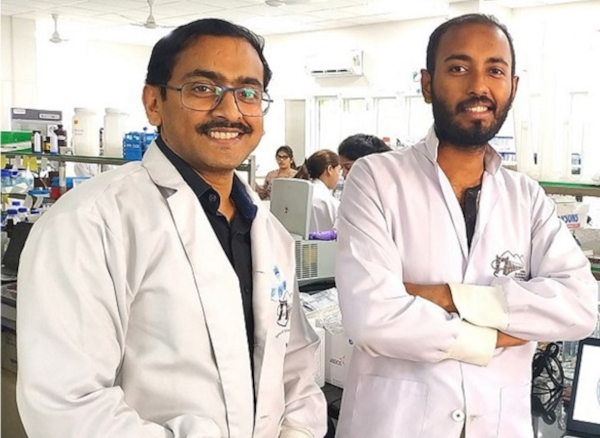
A team of researchers from IIT Mandi, led by Dr Prosenjit Mondal, Associate Professor, School of Basic Sciences, has used complementary experimental approaches to establish the underlying biochemical relationship between the consumption of excessive sugar and the development of ‘fatty liver’, medically known as Non-Alcoholic Fatty Liver Disease (NAFLD). This research comes at a time in which the Government of India has included NAFLD in the National Programme for Prevention & Control of Cancer, Diabetes, Cardiovascular Diseases and Stroke (NPCDCS).
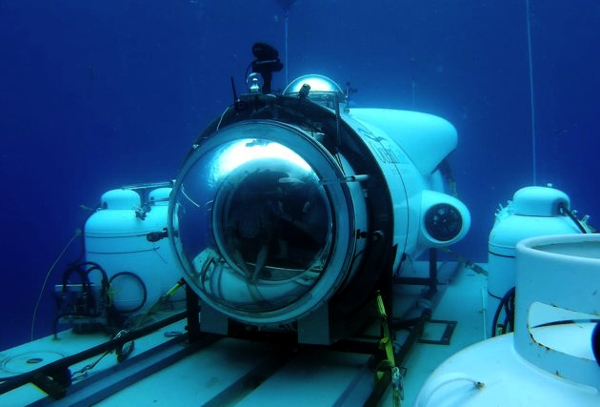
The Cabinet Committee on Economic Affairs chaired by Prime Minister Shri Narendra Modi, has approved the proposal of Ministry of Earth Sciences (MoES) on “Deep Ocean Mission”, with a view to explore deep ocean for resources and develop deep sea technologies for sustainable use of ocean resources.
In one of its initiatives to encourage the manufacturing industry in India, CSIR-Central Scientific Instruments Organisation (CSIO) had developed and transferred the technology of “Precision Iodine Value Analyzer (PIVA)”, an instrument for the measurement of the degree of unsaturation (Iodine Value) in vegetable oils. This indigenous food testing equipment – PIVA was recognized by FSSAI during World Food Safety Day.
Research by a team has offered a solution for improving the image quality without heavy computations. The team from the Raman Research Institute (RRI), Bengaluru, an autonomous institute of the Department of Science and Technology; Space Applications Centre, Indian Space Research Organisation, Ahmedabad; Shiv Nadar University, Gautam Buddha Nagar; and Université Rennes and Université Paris-Saclay, CNRS, France, modulated the light source and demodulated them at the observer’s end to achieve sharper images. The research was published in the journal ‘OSA Continuum’.
Scientists’ teams from the Departments of Physics (led by Dr. Rajesh Kumar) and Biosciences and Biomedical Engineering (Dr. Hem Chandra Jha) at IIT Indore along with their collaborator, Dr. Fouzia Siraj, at National Institute of Pathology (ICMR), New Delhi, used Raman Spectroscopy System supported by “Fund For Improvement of S&T Infrastructure (FIST)” scheme of Department of Science and Technology to trace the propagation mechanism of the virus. Research scholars Ms. Deeksha Tiwari, Ms. Shweta Jakhmola, and Mr. Devesh Pathak also contributed to this study published recently in the journal ‘ACS Omega’.