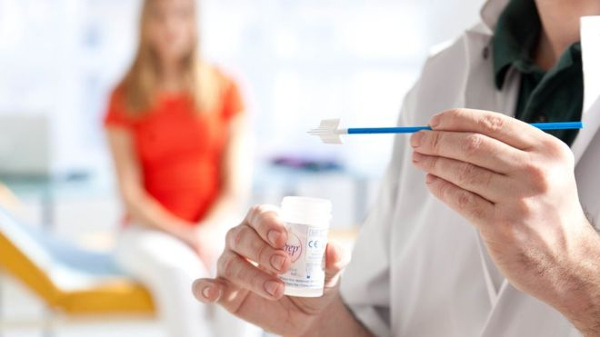
India has embarked on what many health experts are calling a defining moment in public health — the nationwide rollout of the Human Papillomavirus (HPV) vaccine to protect young girls from cervical cancer. This campaign marks a major leap toward preventing a disease that has claimed tens of thousands of lives and long been considered largely avoidable.
For decades, India has struggled with high rates of cervical cancer — the second most common cancer among women in the country. In 2022 alone, there were an estimated 1.27 lakh new cases of cervical cancer, with around 79,900 deaths attributed to the disease. Persistent infection by high-risk HPV strains — especially types 16 and 18 — is responsible for the vast majority of these cases.
A Preventive Vaccine at National Scale
Under the new programme, the Government of India will offer the quadrivalent Gardasil vaccine free of cost to girls who are 14 years old at government health facilities across the country. Partnering with Gavi, the Vaccine Alliance, the government has aligned its strategy with the World Health Organization’s goal of eliminating cervical cancer by 2030, which calls for vaccinating 90% of girls before they turn 15.
The HPV vaccine has a strong track record globally. Countries such as Australia, Sweden and several Gavi-supported African nations that achieved high vaccine coverage have seen dramatic declines in precancerous cervical lesions and, ultimately, in cervical cancer rates. Experts see these international successes as evidence that elimination is not only possible — it’s achievable.
Safety, Effectiveness and Public Confidence
One of the toughest challenges in expanding HPV vaccination has been myths and misinformation, which have sometimes discouraged people from seeking the vaccine. Despite these worries, rigorous scientific research shows that HPV vaccines are safe and highly effective, with only mild, short-lived side effects like slight pain at the injection site or a low-grade fever in rare cases.
The current campaign is being designed with safety and accessibility in mind. Vaccinations will take place at government centres with trained medical personnel present, and communities will be informed about the process to build confidence and trust in the programme.
Beyond Vaccination: A Larger Public Health Vision
While the vaccination drive is a major step forward, experts emphasise that eliminating cervical cancer will also require improvements in screening and early detection. In many parts of the country, regular cervical cancer screening coverage remains low, meaning many women are diagnosed late when the disease is harder to treat.
By combining vaccination with wider health system strengthening — including early screening and education — India hopes to sharply reduce both the incidence and mortality of cervical cancer in the coming decades.
A Campaign with Broad Impact
If successful, this nationwide HPV vaccination effort will not only protect millions of girls from a devastating disease, but also ease the long-term burden on families and communities affected by cervical cancer. It represents a shift from reactive treatment of cancer to proactive prevention — a move doctors and public health advocates have championed for years.
As India takes this significant step, the message from healthcare professionals is clear: prevention works, and when science, policy and community outreach come together, monumental public health gains become possible.
You may also like
-
Dr Jitendra Singh Honours 26 Young Doctors, Highlights Role of AI and Specialisation in Future Healthcare
-
Chundanga (Turkey Berry): The Bitter Green Healer of the Tropics
-
India’s Transformation into a Global Health Powerhouse — A New Era in Public Health
-
Ministry of Ayush Inaugurates India’s First Integrative Oncology Research and Care Centre at AIIA Goa
-
Fermented Food Can Personalise Nutrition For India’s Diverse Population
