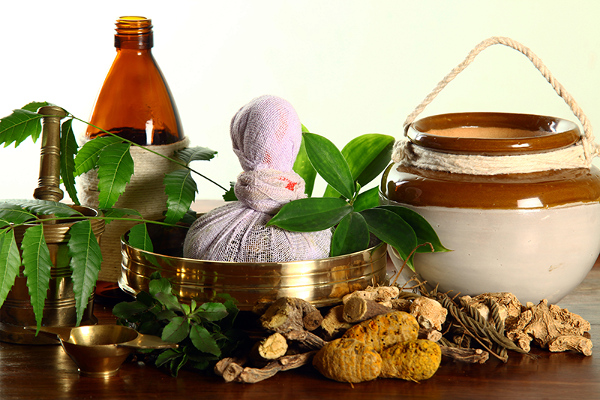
India is stepping up efforts to protect, preserve, and promote its vast reservoir of traditional medicinal knowledge through a combination of digital archiving, patent protection, research support, and international outreach led by the Traditional Knowledge Digital Library (TKDL) and the Ministry of Ayush. Established in 2001 by the Council of Scientific and Industrial Research (CSIR) and the department now known as the Ministry of Ayush, the TKDL was created as a defensive tool against the misappropriation of India’s traditional knowledge through wrongful patent claims. Over the years, it has evolved into one of the world’s most significant prior-art databases, documenting knowledge from Ayurveda, Unani, Siddha, Sowa Rigpa, and Yoga in a format accessible to global patent systems.
According to the latest official figures, the TKDL now contains 5,19,978 formulations and techniques drawn from Indian systems of medicine and yoga traditions. This includes 1,48,846 entries in Ayurveda, 2,65,496 in Unani, 89,403 in Siddha, 9,097 in Sowa Rigpa, and 7,136 in Yoga practices. The database also includes 2,935 surgical methods, devices, therapies, and dietary interventions documented from these traditions. To make this knowledge usable in international patent examination, material originally available in languages such as Sanskrit, Hindi, Tamil, Malayalam, Arabic, Persian, Urdu, and Bhoti has been transcribed into English, French, German, Spanish, and Japanese.
The government says this effort is not limited to one database. The Ministry of Ayush has also launched the Ayusoft portal, which converts classical Ayurvedic texts into a structured digital knowledge repository. The platform includes tools such as Aayur Vidnyaana, described as an Ayurvedic encyclopedia, ShabdaVedhi, a glossary of Ayurvedic terminology, and e-Samhita, an e-books portal. Together, these initiatives are aimed not only at preservation but also at making traditional knowledge easier to access for researchers, practitioners, and students.
At the institutional level, several Ayush bodies are working to document and digitise traditional medical heritage across the country. The National Institute of Ayurveda, Jaipur, functioning as a national nodal centre since December 2020, is surveying, cataloguing, and preserving Ayurveda manuscripts from libraries, temples, private collections, and traditional Vaidya families. The institute has so far digitised 560 Ayurveda manuscripts and 356 rare Ayurveda books. Other organisations, including the Central Council for Research in Ayurvedic Sciences, the Central Council for Research in Siddha, the Institute of Teaching and Research in Ayurveda, Jamnagar, and the National Institute of Sowa Rigpa, Leh, are also building digital archives of manuscripts, palm-leaf texts, old books, and regional medical literature.
The North Eastern Institute of Ayurveda and Folk Medicine Research in Pasighat is also documenting local health traditions, including healing practices and medicinal claims among the Ao tribes of Nagaland, the Tai Phake community in the Northeast, and the traditional bone-setting practices of the Khasi, Garo, and Jayantiya tribes of Meghalaya. This is significant because much of India’s medicinal heritage survives not only in classical texts but also in living community practices that risk being lost if they are not systematically documented.
The strongest proof of TKDL’s practical impact lies in the intellectual property space. The database is currently accessible to 18 patent offices worldwide under non-disclosure access agreements with CSIR, allowing patent examiners to use it during search and examination of patent applications. In addition, the CSIR-TKDL Unit files third-party observations and pre-grant oppositions when patent applications appear to appropriate Indian traditional knowledge. Since 2009, official data shows that 375 patent applications have been refused, withdrawn, amended, or set aside on the basis of TKDL evidence, helping India prevent the privatization of knowledge that has long existed in its traditional systems.
The legal and regulatory framework around this protection is also being strengthened. The Office of the Controller General of Patents, Designs and Trade Marks, in consultation with the Ministry of Ayush, has issued Guidelines for Examination of Ayush-Related Inventions. These guidelines are intended to ensure that patents are granted only when an invention genuinely meets the standards of novelty, inventive step, and industrial applicability, while blocking attempts to patent pre-existing traditional knowledge already recorded in sources such as the TKDL. Alongside this, the Biological Diversity Act, 2002 regulates access to biological resources and associated traditional knowledge, with benefit-sharing safeguards overseen through the National Biodiversity Authority.
The government is also trying to build a research ecosystem around traditional medicine. The Ayush Research Portal now lists 43,614 evidence-based research articles, while the National Commission for Homoeopathy has introduced research methodology and research-oriented electives into its curriculum to promote documentation and academic study of traditional knowledge. The Ministry of Ayush is implementing the Ayurgyan central sector scheme from 2021-22, supporting capacity building, continuing medical education, research and innovation, and, from 2023-24, an added component on Ayurveda Biology Integrated Health Research.
Another notable initiative is the CCRAS Ayurveda Gyan Naipunya Initiative (CCRAS-AGNI), which seeks to bring pragmatic Ayurveda practices into the scientific mainstream through validation and evidence-based appraisal. One of its stated objectives is to train Ayurveda practitioners in research methods and good clinical practices. The government has also supported the certification of traditional healers through the Quality Council of India during FY 2024-25, signalling an effort to bring community-based traditional knowledge into a more formal system of recognition.
India is also pushing this heritage outward through global cooperation. Under the Ministry of Ayush’s scheme for the Promotion of International Cooperation for Ayush, support is being extended to Ayush drug manufacturers and service providers to expand exports, improve recognition abroad, and promote academic and institutional collaboration. Official figures show that India has signed 27 country-to-country MoUs, 16 Ayush Chair MoUs, and 54 institute-to-institute MoUs under this framework. The broader message from the government is clear: traditional medicinal knowledge is no longer being treated merely as inherited heritage, but as a strategic civilisational asset that must be protected from misuse, preserved through digitisation, strengthened by research, and projected globally with greater confidence. The details were shared by Minister of State for Ayush Pratap Rao Jadhav in a written reply in the Lok Sabha on 13 March 2026.
Source: PIB
You may also like
-
The Ayurvedic Benefits of Lotus Stem: The Healing Power of Kamal Kakdi
-
Yoga Mahotsav–2026 Begins 100-Day Countdown to International Day of Yoga
-
India Moves Closer to Universal Safe Drinking Water Access by 2030
-
Dr Jitendra Singh Honours 26 Young Doctors, Highlights Role of AI and Specialisation in Future Healthcare
-
Chundanga (Turkey Berry): The Bitter Green Healer of the Tropics
