Vidya

News, articles and Essays on ancient Indian Texts

Skanda – Applied Indology

When the five elements governed by Lord Shiva (Pancha Mahabhoota – Earth, Water, Fire, Air, and Ether) united with Shakti (Pure Consciousness), Lord Skanda was born. Shiva is called Panchaanana – Lord with five heads. These five heads represent the five elements in Nature.
Gayatri Mantram – Applied Indology

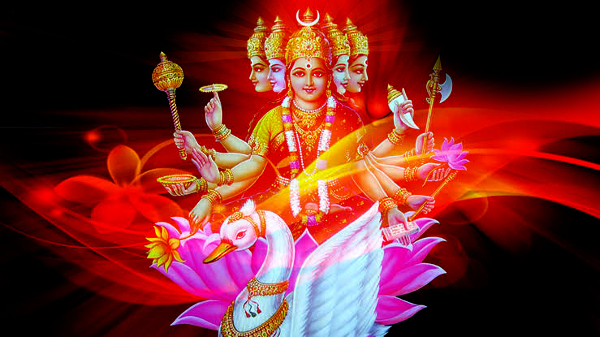
The word Gayatri also means “she who protects the singer” (from gai, to sing, and trai, to protect). It has its origin in the Sanskrit phrase Gayantam Triyate iti, and refers to that mantra which rescues the chanter from all adverse situations that may lead to mortality. Thus, Gayatri is a name of the Divine Mother, she who protects her children and leads them toward self-realization.

Rudram – Applied Indology

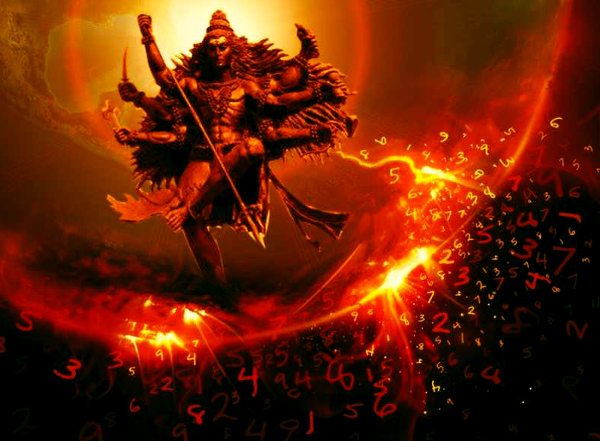
Rudra Literally means that “Fire comes from the Bowels of the earth spreading God’s Grace all over the world”. The word Rudra is an ancient Vedic name for God, meaning the roarer, the ruler of storms and wind, the wild, the mightiest of the mighty. These attempts to describe relate to the tremendous and inconceivable power out of which galaxies are born, stars collapse, seasons move and your mind experiences desire.

Urvashi – Applied Indology

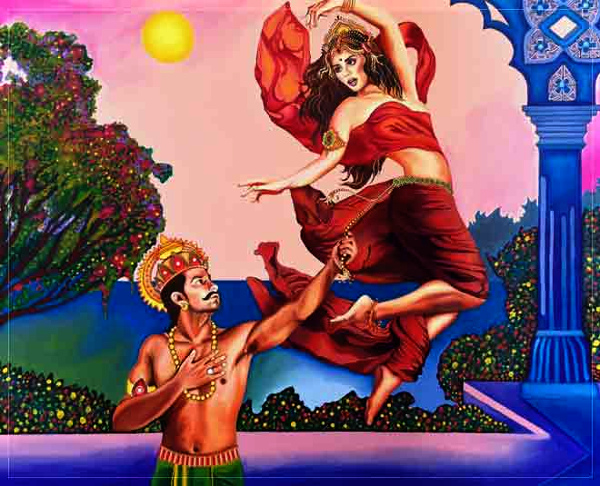
Urvashi means she who can control heart of others,”Ur” means heart and “vash” means to control. Earliest Vedic texts suggest, it was also the name for the dawn goddess. In the Vedas, the apsaras are water nymphs where in apsa means water, the one going in the waters or between the waters of the clouds. Often married to the gandharvas or or temptresses of Rishis. There are two types of Apsaras, namely, laukika (wordly) and daivika (divine). Thirty-four nymphs / Apsaras are specified of the first type and ten of the second type. These celestial beings are also known as vidyadhari or tep apsar.

Rishi Atri – Applied Indology

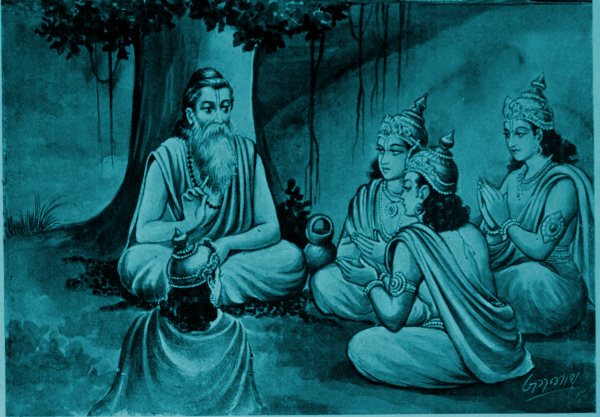
Rishi Atri is one of the Manasputra of Brahma. Rishi Atri originated from the eyes of Lord Brahma and the Vishnu’s Dharma. Also known as ‘the Devourer’, Atri Rishi is an embodiment of the power of detachment. Rishi Atri is the Saptarishi in the seventh, i.e. the present Manvantara.

Arjuna and Shiva – Applied Indology

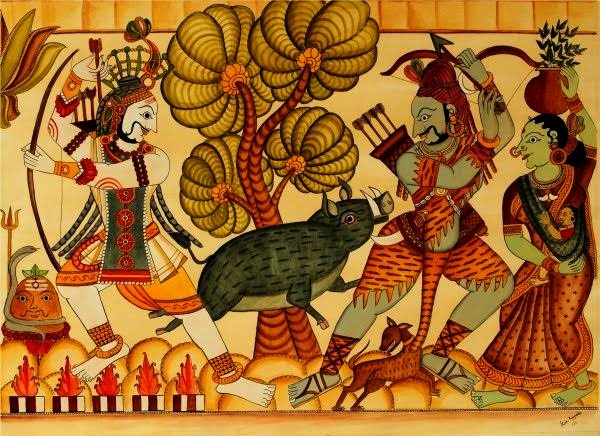
Shiva and Parvati observed Arjuna’s devotion and they felt compelled to grant him his desire. However, Shiva was not about to impart the knowledge of His potent Asthra / missile to the human without first testing him for his worthiness. Lord Shiva disguised himself as a Kirata Chief ( Kirata is a clan of mountain dwellers), and asked Goddess Parvati and some of his Ganas to dress up as Kirata women.

Chintamani Ganapati – Applied Indology

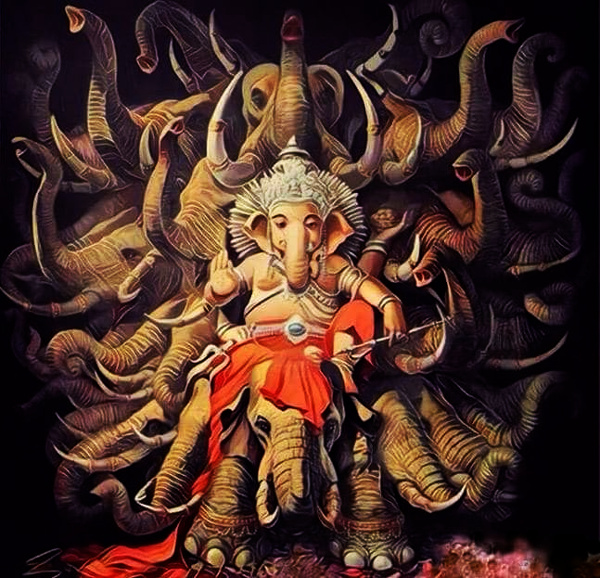
Chintamani is a the elephant-headed god of wisdom form of Lord Ganesha and is one of Ashtavinayakas among the eight forms of Ganesha. All the idols of Ashtavinayaka are Swayambhu / self originated. All the the eight revered shrines of Ganesha are located in Maharashtra. Village of Theur is located in the Haveli taluka of Pune district, near the confluence of river Bhima and the conjoint river Mula-Mutha.

Kala Bhairava – Applied Indology

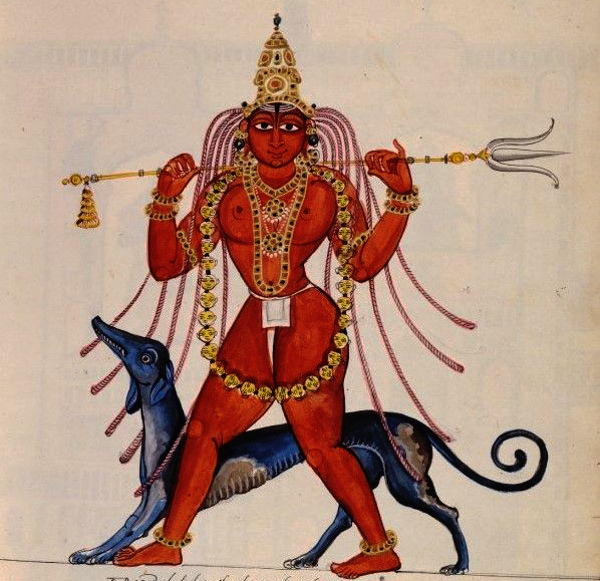
Kala Bhairava is the shortened form of Kaala Shakti Bhairava, the Lord who controls the Shakti of Kala – the Power of Time. A Fearsome Destroyer emanation of Lord Shiva, Whose name translates to the Terrifying Blackness of Time-Death The Sanskrit word ‘Kala’ simultaneously meaning ‘Black’, ‘Death’, and ‘Time’.

Training Program to Generate Skilled Human Resources for Hospitals

India’s healthcare sector needs more skilled professionals. Under Central Drug Research Institute (CDRI) skill initiative program the institute is going to start a training course to generate skilled human resources ready for employment in the hospitals, diagnostic pathology centres, forensic laboratories, research industries and laboratories and academia.