3 Other Tools of Diplomacy – Chanakya
These four Upayasa form the basis of the six forms of foreign policy. Apart from these six methods of diplomacy, Kautilya describes 3 more methods of diplomacy.
The great Indian diplomat and his ways of diplomacy
These four Upayasa form the basis of the six forms of foreign policy. Apart from these six methods of diplomacy, Kautilya describes 3 more methods of diplomacy.
These six policies are very important to implement the Mandala Theory in practice and adaptable to the circumstances arising out of the dynamics of political situations.
We shall primarily focus on Kautilya’s thoughts on political management and diplomacy which are indeed the logical approach for an effective, efficient leadership.
The Mandala concept is one in which there are circles of friends and foes with the central point being the Principle King and his State.
This is a well thought out strategy to consolidate power for the Kingdom who employs this concept.
Mandala in Sanskrit means ‘Circle’. The concept is also known as ‘RAJAMANDALA’ meaning, ‘CIRCLE OF KINGS’.
Kautilya was a firm believer of the notion, that world nations acted in their political,
There are few people in the world who have no enemies. Many have found themselves
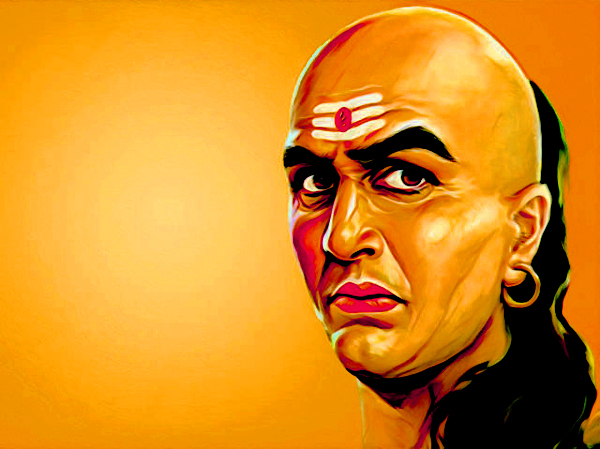
Kautilya or Chanakya (Sanskrit: चाणक्य Cāṇakya) (c. 350 – 283 B.C.E.) was an adviser and