Research

News on Science, Technology and Research in India

A New Technique to Boost Rice Production

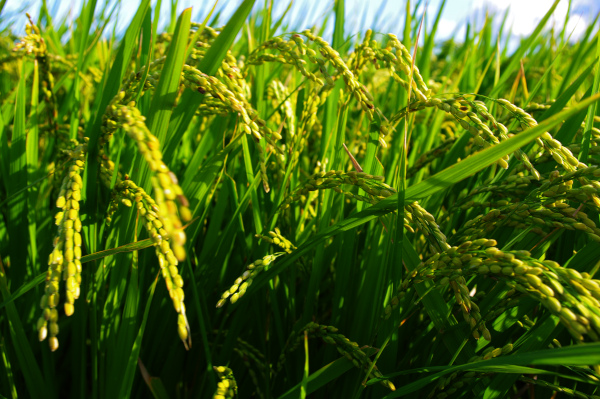
A hybrid seed is created by crossing two different varieties of the same plant. Hybrid seed is produced when the egg of female parent is fertilised with the pollen from another plant. In this process, it is particularly essential to ensure the genetic purity of the female parent.


A New Decomposer May Hold Hope of Dousing Farm Stubble Fires

A proprietary microbial solution developed by the Indian Agricultural Research Institute (IARI) – usually referred to as the Pusa institute — that turns biomass, such as rice stubble, into natural manure, has proved to be successful in Delhi, Punjab and Haryana, according to scientists behind the project. The Delhi government, which utilised the technology and is strongly promoting it, has also found the experiments to be a success.

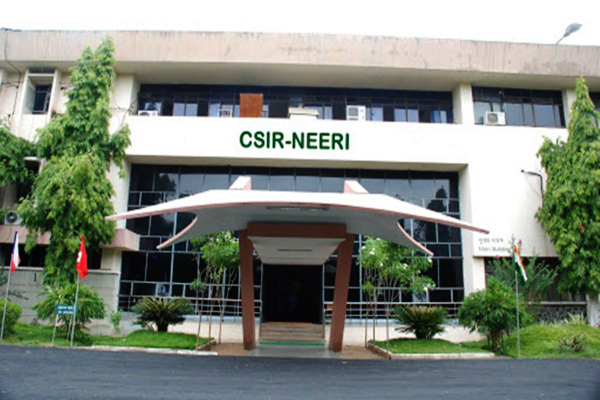
NEERI Develops Eco-friendly Phytorid Technology Sewage Treatment Plant

A Niti Aayog report states that 21 major cities in India (including New Delhi, Chennai, Bengaluru, and Hyderabad) are all set to run out of groundwater. India’s per capita water availability is expected to further decline to 1465 cubic metre by 2025. By 2030, the country’s water demand is projected to be twice the available supply, implying severe water scarcity for hundreds of millions of people.

Researchers Devise New Wastewater Recycling System

Researchers at the Centre for Sustainable Technologies (CST), Indian Institute of Science (IISc), have developed a decentralised wastewater treatment and recycling system at a primary school, situated in the remote village of Berambadi in Karnataka, which has helped save 180,000 litres of water in a year. The system has, over the past year, enabled the reuse of wastewater and reduced dependence on freshwater resources. The study has been carried out in collaboration with researchers in the UK.

Scientists Devise A New Tool to Fight Diarrhea

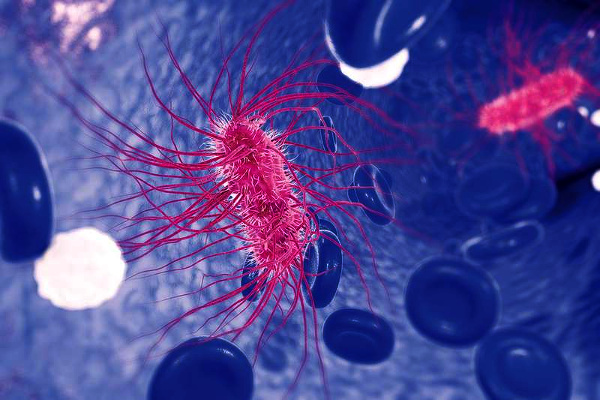
A team of researchers at DBT-National Agri-Food Biotechnology Institute (DBT-NABI), Mohali, has come up with a solution. They have developed a probe based on assDNAaptamer. Aptamers are low molecular weight biomolecules widely used for bio-detection as they are stable, sensitive, selective, have low cost, and low batch to batch variation. They interact directly with the cell surface of the target rather than the nucleic acids and thus have the potential for whole bacteria detection.