Research

News on Science, Technology and Research in India

A New Automated System to Detect Colorectal Cancer

To evaluate the robustness of their system, they compared their work with four classical deep learning models and found theirs to be better than others. “Our AI algorithm can be easily integrated with the current methods of diagnosis, which is a significant USP for this work,” the team said.
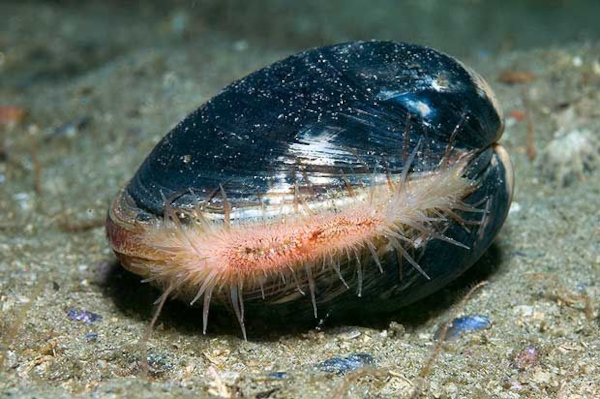
Scientists from RRI Develop Platform to Detect the Effect of Prolonged Alcohol Exposure on RBC

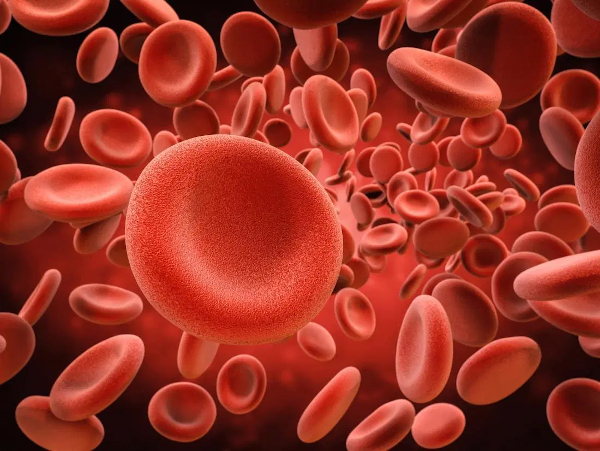
Although it is known that alcohol affects RBCs, the exact physiological changes are very subtle and difficult to measure. In order to overcome this challenge, scientists from Raman Research Institute (RRI), an autonomous institution funded by the Department of Science & Technology (DST), Government of India led by Professor Gautam Soni, have developed custom-made electro-fluidic platform that can detect the change by measuring the cell size in enhanced resolution.

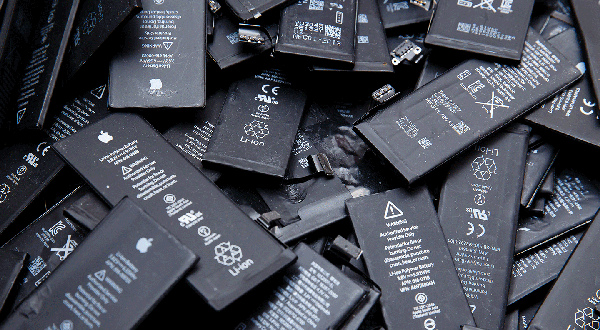
Zero-Emission Technology to Manage and Recycle E-waste

Notably, e-waste contains several toxic materials such as lead, cadmium, chromium, brominated flame retardants, or polychlorinated biphenyls. Therefore, unregulated accumulation, landfilling, or inappropriate recycling processes poses a severe threat to human health and the environment.

New Platform to Measure DNA Modifications to Help in Early Detection of Cancer, Alzheimer’s & Parkinson’s

The platform and associated analysis techniques developed by a team of scientists led by Professor Gautam Soni from Raman Research Institute, an autonomous Institute funded by the Department of Science & Technology, Government of India can quantitatively assess the distribution of supercoiled branches on DNA plasmids (DNA molecule outside the chromosome). This research work done by researchers Sumanth Kumar, Koushik S., and Dr. Soni has been recently published in the journal ‘Nanoscale’.

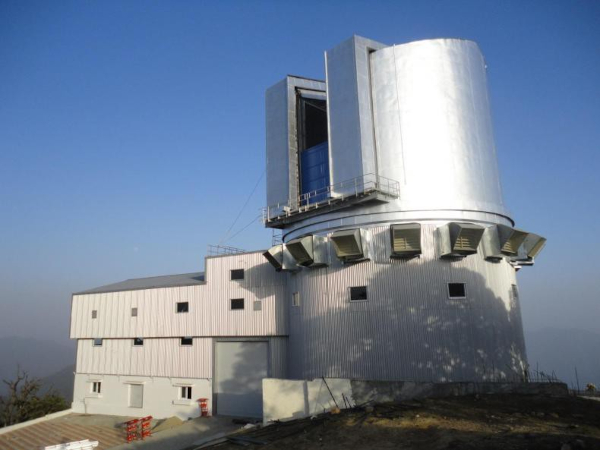
Kodaikanal Solar Observatory Digitized Data probes Sun’s Rotation Over the Century

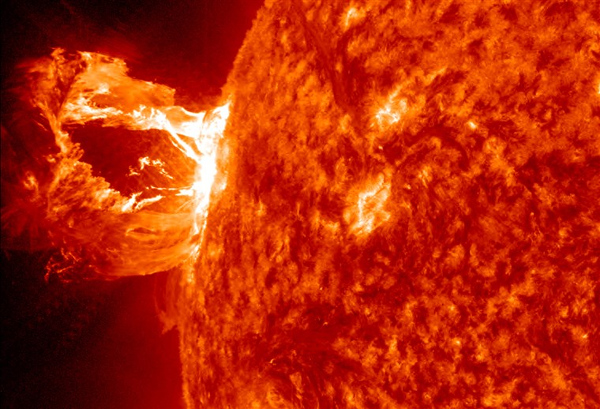
Scientists have estimated how the Sun has rotated over a century from data extracted from old films and photographs that have been digitized. This estimation would help study magnetic field generated in the interior of the Sun, which causes sunspots and results in extreme situations like the historical mini-ice age on Earth (absence of sunspots). It could also help predict solar cycles and their variations in the future.