Research

News on Science, Technology and Research in India

Researchers Develop Algorithm for Lensless, Miniature Cameras

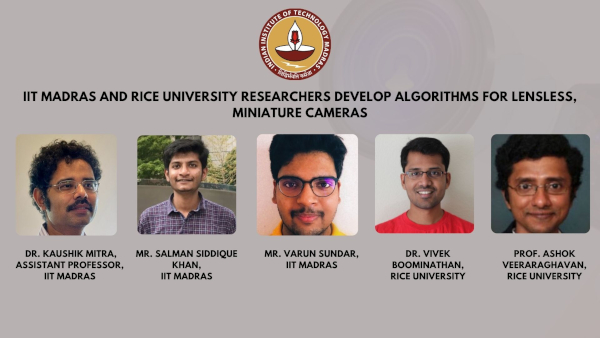
Researchers at Indian Institute of Technology (IIT) Madras and Rice University, U.S., have developed algorithms for lensless, miniature cameras. Such lensless cameras have numerous vision applications in areas such as Augmented Reality (AR)/ Virtual Reality (VR), security, smart wearables and robotics where cost, form-factor, and weight are major constraints.

Nutritional Diet for Summer Season

For summers one must make sure to include foods in daily diet that are light and easy on the stomach. These foods and drinks must be able to protect against dehydration, as well as maintain optimal levels of energy. Need of the season is to plan summer diet for the day in advance with seasonal nutritional choices and preferences.

India Participates in the 3rd Arctic Science Ministerial; Shares Plans for Research and Long-Term Cooperation in the Arctic

Dr.Harsh Vardhan, Union Minister of Science and Technology, Health and Family Welfare, and Earth Sciences, shared India’s vision and long-term plans for research, work, and cooperation in the Arctic region with the stakeholders. He welcomed collaborations towards strengthening observational systems and sharing of data to enhance knowledge. “India would continue to play a positive role in deepening shared understanding of the Arctic through observation, research, capacity building, as well in promoting sustainable development of the region through international cooperation”, said Dr Harsh Vardhan. He also proposed that India may be given an opportunity to host the next or future ASM.

IIT Mandi Researchers Invent A New Technique to Detect Abnormal Brain Characteristics Associated with Ischemic Stroke

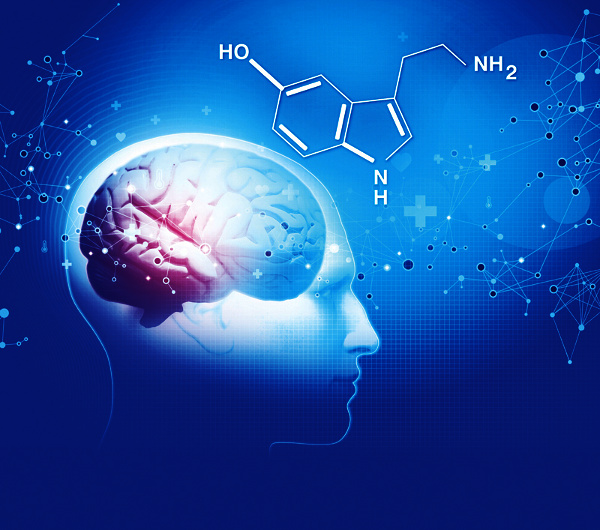
Innovators at the Indian Institute of Technology Mandi have invented a method to simultaneously study the variations in nerve functions and brain blood flow associated with brain disorders such as Ischemic stroke. The invented method helps in locating and classifying damaged sites (lesions) in the brain, brought about, or leading to neurological diseases

Cosmic Rays Propagating Through Milky Way Interact with Matter Producing Excess Antimatter Counterpart of Electron

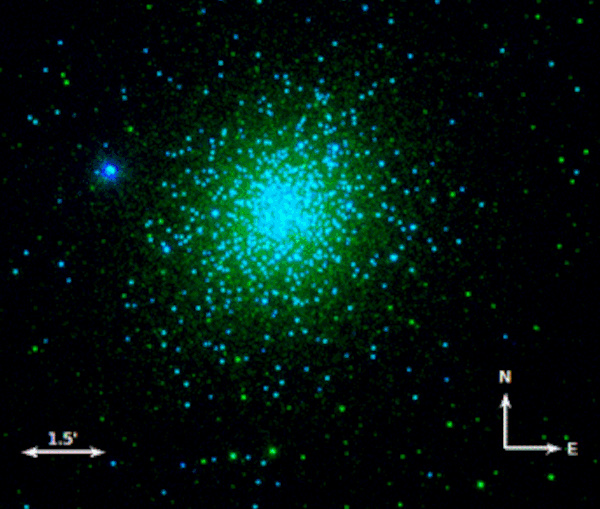
Researchers from the Raman Research Institute (RRI), Bengaluru, an autonomous institution of the Department of Science and Technology have resolved the mystery in a new study published in the Journal of High Energy Astrophysics. Their proposal is simple –– cosmic rays while propagating through the Milky Way galaxy interact with matter producing other cosmic rays, primarily electrons and positrons. The authors Agnibha De Sarkar, Sayan Biswas and Nayantara Gupta argue that these new cosmic rays are the origin of the ‘positron excess’ phenomenon.

Study by Indian Astronomers Provides Clues to Explosion Mechanism of Supernovae

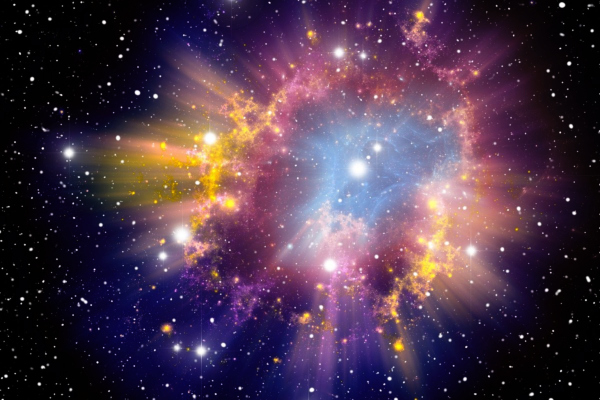
In 2011, the Nobel Prize was awarded to three scientists for discovering that the Universe is expanding at an ever-accelerating rate through observations of distant supernovae. Now a team of Indian astronomers observing such distant supernovae have narrowed down the possible mechanisms of explosion of such supernovae which provide key measures of cosmological distances.

India’s First 3D Printed House Inaugurated at IIT-Madras

India’s first 3D printed house built by IIT-Madras startup Tvasta was inaugurated on the campus Tuesday
The house, which has a built-up area of 600 square feet, has a bedroom, a hall and a kitchen. The entire house was designed using software and printed using concrete 3D printing technology.