Tamil Nadu: Eighth-Century Sculptures Found Near Chinnasalem
A team of archaeologists brought to light 1,200-year-old sculptures of Lagulesar and Kathir Pillaiyar deities from an ancient temple near Chinnasalem.
News, articles and Essays on Sanatana Dharma, Hinduism and Indian way of life.
A team of archaeologists brought to light 1,200-year-old sculptures of Lagulesar and Kathir Pillaiyar deities from an ancient temple near Chinnasalem.
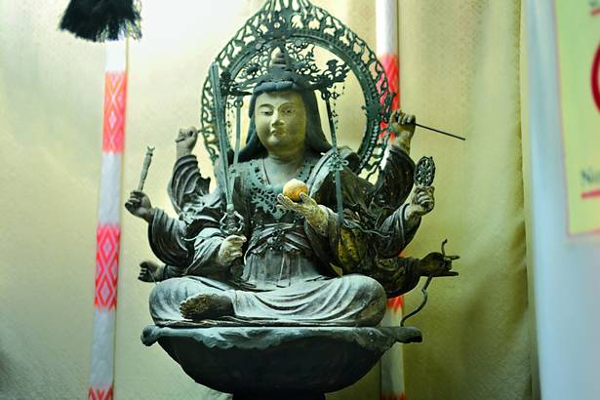
According to Behl, many words in the Japanese language are from Sanskrit.
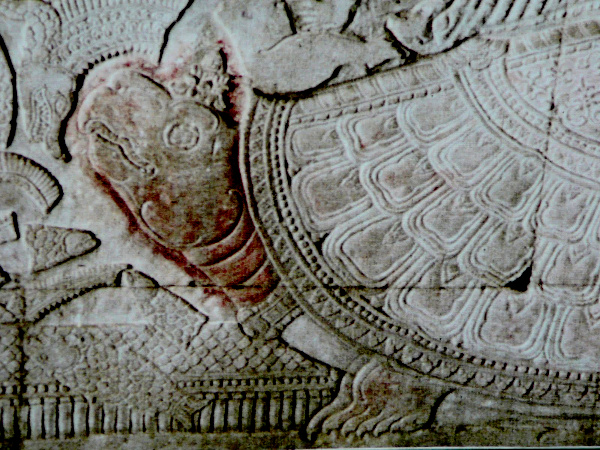
This legend may have been known to the civilizations of Mesoamerica as well, for in the Museum of Anthropology in Mexico City, I saw a carving of a turtle supporting a pillar on its back, looking breathtakingly similar to the depiction of Vishnu as a turtle supporting Mount Meru.
In this episode of Rag Rag Mein Ganga, watch Rajeev Khandelwal visit the majestic city of Prayagraj. See him explore the Allahabad Museum, pay tribute to the legendary Freedom Fighter Chandrashekhar Azad and savour the Allahbadi Delicacies.
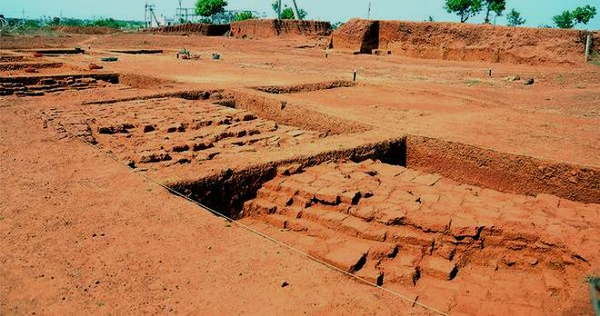
The recent findings would help corroborate theories pointing to a historic maritime past. Prominent among the findings are goblet-shaped vessels and conical jars which are worth mentioning as they are supposed to have been used by the elite. These were not used for cooking but were used to consume wine,” surmised Dr. Sreelakshmi, Superintending Archaeologist, Archaeological Survey of India, Excavation Branch VI, Bengaluru.
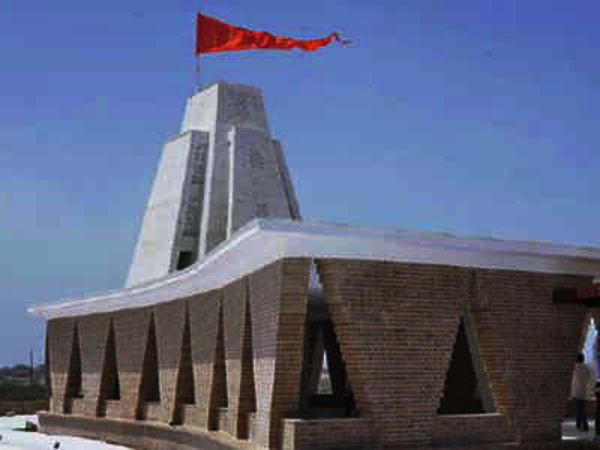
This year, though, on a parched plot of land in Gujarat’s Kutch that was a part of the erstwhile Sindh province and at the very spot on the banks of Kori where river Sindhu is believed to have once ended its journey, Sindhis got their own sacred spot, their holy of holies, the Jhulelal Tirthdham.
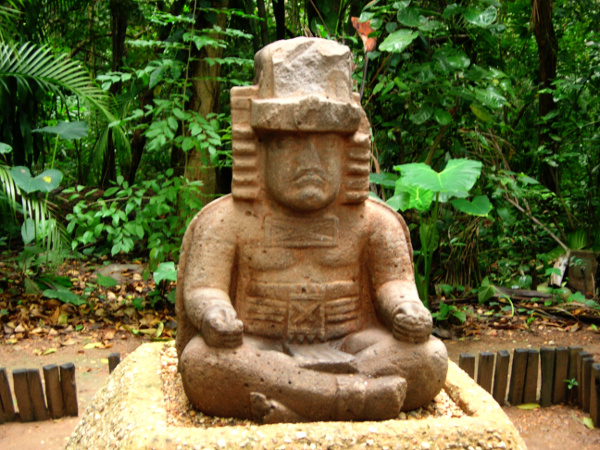
Going by their apparent mastery of the discipline, it seems that the Olmec culture was seeded by yogis! The figurines have been found in large numbers, which suggests that they may have served as visual aids for their yoga regimen.
Pagodas are a dominant and attractive feature of the cultural landscape of China. These towering, multi-tiered structures generally have an odd number of tiers (between 3 and 15) signifying the many levels of heaven inhabited by the Buddhas.
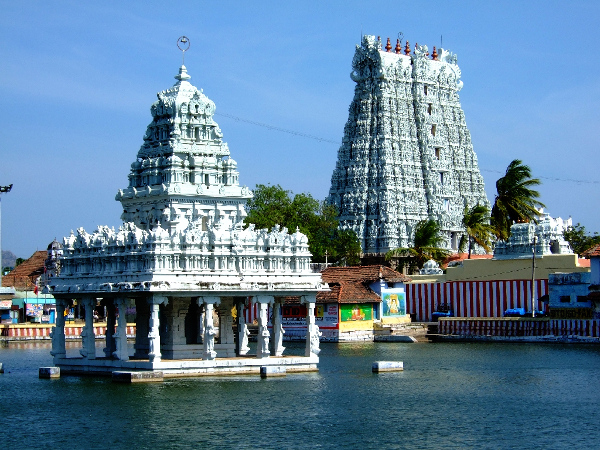
The deity is also called as Devi Kanya Kumari / Kanya Devi / Devi Kumari / Kumari Amman / Shree Bhagavathy / Shree Baala Bhadra / Shree Baala. The name Kanyakumari stands for Kanya meaning Virgin and Kumari meaning Girl.
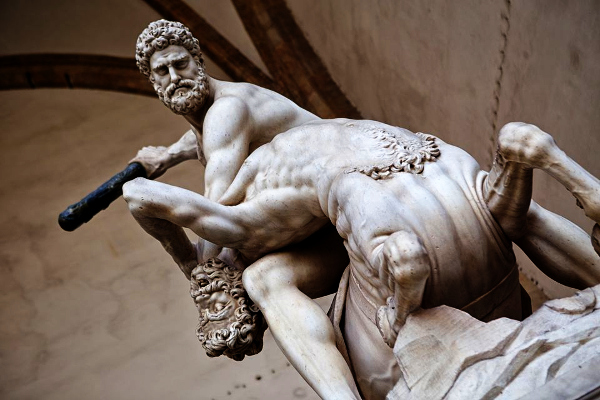
In a previous article titled “Hercules and Balarama: The Symbolic and Historical Connections” I had