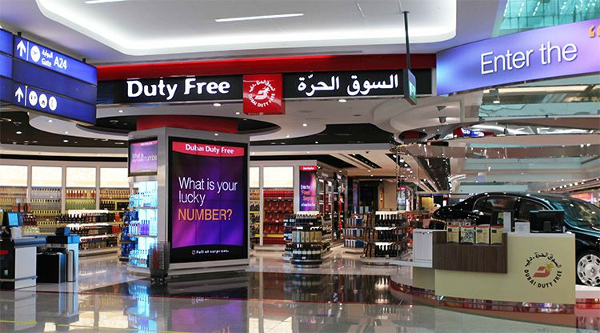
Nearly 90 million travelers passed through Dubai airport a year ago, in which 12.2 million were Indians. The Indian rupee is the 16th currency to be accepted for transactions at Dubai Duty-Free since it’s opening in December 1983.
Indian travelers had to earlier convert the rupee into Dollar, Dirham or Euro before they could shop at Dubai’s without obligation shops.
Gulf carrier Emirates is now viewing for more seats to offer on the Dubai-India route, which has not seen an increase in bilateral rights for the last five years.
Emirates, the leader transporter of Dubai, flies to 9 goals in India and has likewise gone into a starter settlement for a code share with minimal effort bearer SpiceJet.
Bilateral rights refer to an understanding/agreement between two nations that enables each other’s carriers to work administrations with a particular number of seats. The current respective rights enable transporters from Dubai and India to offer almost 1,30,000 seats for every week on their flights to a one another’s area.
Source: IBEF
Image Courtesy: Oracle
You may also like
-
India’s Strategic Rise Through Free Trade Agreements: Achievements and Impact (2025–26)
-
Reforming for Growth: How Policy Changes Are Transforming India’s Business Environment
-
India to Build First Riverine Lighthouses on Brahmaputra to Boost Inland Waterway Navigation
-
India Assures Energy Security Amid Rising Tensions in the Middle East
-
GPS Technology Transforms Fishing Livelihoods in Car Nicobar
