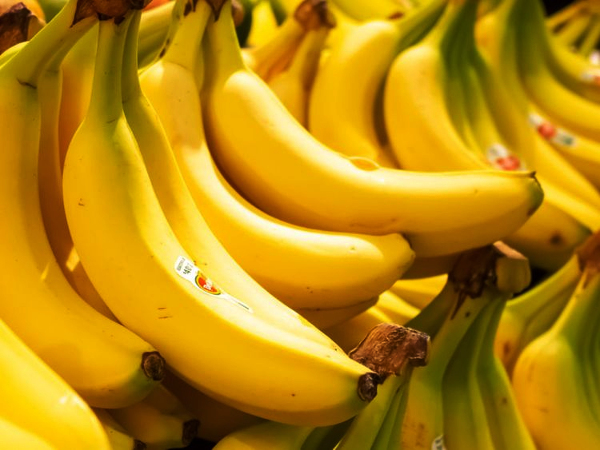
In a significant boost to India’s horticulture and farm infrastructure, Union Agriculture Minister Shri Shivraj Singh Chouhan has announced the approval of a long-awaited ₹200-crore Banana Cluster project in Jalgaon, Maharashtra. The announcement was made during his interaction with banana cultivators on March 19, 2026, on the occasion of Gudi Padwa, where he also called on farmers to gradually embrace natural farming in order to protect soil fertility and ensure long-term agricultural sustainability.
Addressing farmers in Jalgaon, widely known as both the “Golden City” and the “Banana City” of Khandesh, the minister highlighted the region’s importance in India’s horticulture economy. He said the newly approved Banana Cluster would not only strengthen agricultural infrastructure in the area but also improve the entire banana value chain — from cultivation to storage, processing, and exports.
Under the project, a wide range of modern facilities will be developed, including support for Good Agricultural Practices (GAP), mechanisation, bio-control measures, fruit covering, and pre-cooling systems. Infrastructure for cold storage, ripening chambers, refrigerated transportation, processing units, and export-oriented facilities will also be created. These benefits, he noted, will be supported through government schemes such as the Mission for Integrated Development of Horticulture (MIDH) and the Agriculture Infrastructure Fund (AIF), ensuring that farmers receive direct institutional support.
Shri Chouhan also raised a key concern that continues to trouble the farming community — the sharp mismatch between the low prices farmers receive and the much higher rates consumers pay in urban markets. He pointed out that farmers often sell perishable crops such as tomatoes at distress prices, while the same produce is sold at far higher prices in cities. According to him, both the Centre and the state government will work together to create a more effective mechanism to narrow this gap and ensure that cultivators receive fair returns for their produce.
On the question of price support, the minister acknowledged the limitations of applying the Minimum Support Price (MSP) framework to crops such as bananas, which cannot be stored for long periods in the same way as grains. In response, the government is exploring an alternative compensation model. Under this approach, if market prices collapse beyond a certain point, farmers may be compensated for the difference between production cost or a model price and the actual market rate. He added that similar approaches have already been tested for crops like chillies and mangoes, and that new support mechanisms are being developed under the PM-AASHA scheme.
Another major theme of the minister’s address was the need to restore soil health. He warned that the excessive use of chemical fertilisers and pesticides is causing long-term damage to agricultural land. Declining organic carbon levels, destruction of beneficial insects, and reduced soil fertility, he said, are all warning signs that cannot be ignored. He encouraged farmers to begin experimenting with natural farming on a small scale, expressing confidence that when properly practiced, such methods do not reduce yields and can actually improve the productive capacity of the land over time.
The minister also assured farmers that the concerns and suggestions raised during the interaction would be taken seriously and incorporated into a broader agricultural roadmap. He stressed the need to build a stronger global identity for Jalgaon’s bananas, signalling that the government wants the region’s produce to gain greater recognition not just within India, but in international markets as well.
The announcement of the Banana Cluster is being seen as a major step toward transforming the agriculture sector in one of India’s key banana-growing regions. By combining infrastructure development, price support thinking, export readiness, and soil-conscious farming practices, the initiative reflects a wider effort to make Indian farmers more resilient, self-reliant, and prosperous.
Soruce: PIB
You may also like
-
Centre Pushes Desert Medicinal Plants Cultivation, Expands Support for Guggul and Aloe Vera
-
ndia Eyes $300 Billion Bioeconomy by 2030 as Biotech Startups Cross 11,800
-
India Records Historic 200 Mineral Block Auctions in FY 2025–26, Marking a New Phase in Mining Reform
-
India Moves to Shield Farmers Before Kharif 2026 as Urea Output Jumps 23%
-
India Remains World’s Largest Coconut Producer; Centre Unveils Promotion Scheme in Budget 2026–27
